Natural health and cancer prevention research is easiest to use when sorted by evidence type: diet and lifestyle patterns carry the strongest support, early-phase human trials of plant compounds such as curcumin come next, and laboratory-only findings sit at the bottom.
Picture a reader who sees a headline saying a spice, a tea or a sprout extract “fights cancer” and wonders whether to buy a capsule. The practical resolution is to ask what kind of study produced the claim, then to check any supplement with a doctor if cancer medicines are involved. The rest of this page shows how to do both.
Choose your route through the research
Readers arrive with different goals, and the topic is large enough that starting in the right place saves time. Pick the route that matches your question and follow it in order.
- You want the most reliable guidance. Start with the diet and lifestyle section. It rests on the broadest body of research on this page and is the least dependent on any single compound.
- You have heard about one compound. Go to the comparison table, then to the section on curcumin, green tea or sulforaphane. Each section says what kind of evidence exists and how far it reaches.
- You are weighing a supplement. Read the supplements and treatment section before buying anything, especially if you are receiving cancer medicines.
- You want to judge headlines for yourself. Read the evidence ladder first. It explains why a cell-culture result and a human trial carry very different weight.
- You want the wider science. Finish with the sections on plant-derived drugs, inflammation and comparative biology, which show where this research field comes from.
For a broader orientation to plant chemistry itself, the guide to phytochemicals cancer prevention explains what these compounds are and how researchers classify them. A bioactive plant component is, in the plain definition used by Cancer Health, a naturally occurring compound in a plant that has a positive effect on human health. That definition describes a hypothesis worth testing, not a result already proven for cancer.
How to read the evidence: cell studies, animal studies and human trials
Evidence about natural compounds comes in layers, and each layer answers a different question. Knowing which layer a claim comes from is the single most useful habit for reading this field.
Cell and laboratory studies
Cell-culture work exposes cancer cells, grown in dishes, to a compound and records what happens. It is fast, cheap and good at generating ideas. It cannot show what happens once a compound has been eaten, digested, circulated through the body and met real tissue. A result in a dish is a reason to keep studying a compound, not a reason to take it.
The parsley compound apigenin shows how this plays out. Cancer Health reports that laboratory studies suggest apigenin may also help prevent cancer. The wording matters: the evidence described is laboratory evidence, so apigenin belongs at the bottom of any ranking of evidence strength.
Animal studies
Animal experiments sit between the dish and the clinic. They let researchers watch a compound act within a whole living body, which a dish cannot do. They remain an imperfect guide to people, so a positive animal result supports further testing rather than a recommendation. The same caution applies to any compound whose evidence is described only as promising in laboratory models.
Human trials
Human trials are where a compound’s effect on people is actually measured. Early-phase trials are small steps: they look for signals and safety, not proof that cancer risk falls. Cancer Health states plainly that many plant compounds need to be studied in larger clinical trials before becoming part of standard cancer care. Treat that sentence as the ceiling for almost every compound discussed below.
The practical rule is simple. A compound earns more trust as it moves from dish to animal to early human trial to larger trials, and a compound whose evidence stops early on that path should be described in tentative language, however vivid the headline.
Diet and lifestyle: the strongest evidence
If you want the claim with the most support, it is not a compound at all. A review in PubMed Central states that 30–50% of all cancer cases are preventable by following a healthy diet and lifestyle. That is a population-level estimate of what is preventable, not a guarantee for any individual, and it is the figure that frames everything else on this page.
Smoking and nutrition
The same review identifies smoking and nutrition as the main exogenous causes of cancer. For scale, it reports that 28.8% of cancer deaths in the US are attributable to smoking, and that 25% of the German population die of cancer. Those national figures show why a single capsule cannot compete with avoiding tobacco and eating well. They also show that the lifestyle evidence comes from large, national-scale data rather than from one compound’s trial.
Body weight and physical activity
The review says there is very strong evidence that being overweight is a risk factor for cancer. It also reports that evidence for the protective role of physical activity is particularly strong for colon cancer, postmenopausal breast cancer and endometrial cancer. Both points are about everyday behaviour, which makes them the easiest lifestyle levers to act on.
Diet pattern and alcohol
For diet, the review recommends a balanced plant-based diet with limited amounts of fast foods, sugar-sweetened drinks, red meat and alcohol. Memorial Sloan Kettering adds that growing evidence suggests alcohol increases the risk of at least seven common cancers. The two sources agree in direction: the most consistent advice is a mostly plant-based pattern with less alcohol, not a list of exotic ingredients.
The review also notes that lung and colorectal cancer have the highest rates of potentially preventable cases. If you are choosing where effort pays off, those figures point toward tobacco avoidance and dietary habits before anything else. For a closer look at the food side, see the guide to foods that may help prevent cancer.
Natural compounds compared by type of evidence
The table below ranks the compounds with the clearest evidence descriptions in the verified research. It compares them on one criterion that matters most: how far along the evidence path each has travelled.
| Compound | Type of evidence described | Cancers named | Planning use |
|---|---|---|---|
| Curcumin | Early-phase human trials suggesting promise for prevention; laboratory work on anti-cancer effects | Colorectal, oral and liver (trials); breast and lung (laboratory) | Most advanced evidence among the plant compounds here, but still early. Not a substitute for lifestyle measures. |
| Epigallocatechin gallate (EGCG) from green tea | Some studies associate green tea with a moderate reduction in risk | Colorectal, stomach, esophageal and prostate | An association in studies, not proof of cause. Reasonable as a drink, weak as a reason to take concentrated extracts. |
| Apigenin from parsley | Laboratory studies only | Cancer prevention in general terms | Interesting hypothesis. Hold off on any practical conclusion. |
| Paclitaxel (Taxol) | Established chemotherapy drug of plant origin | Breast, ovarian and non-small cell lung cancer | A treatment, not a prevention agent. It shows that plants can yield real medicines, which is a different matter from eating them. |
The compound descriptions in this table come from Cancer Health’s overview of plant compounds in cancer treatment and prevention.
Read the table from top to bottom as a rough ladder, with the caveat that the rows are not equivalent: paclitaxel is a treatment, while the others are being studied for prevention. Its inclusion shows why “natural” and “effective” are separate ideas, and why a plant-derived drug used under medical supervision tells you nothing about the same plant eaten as food.
Curcumin: early trials, real limits
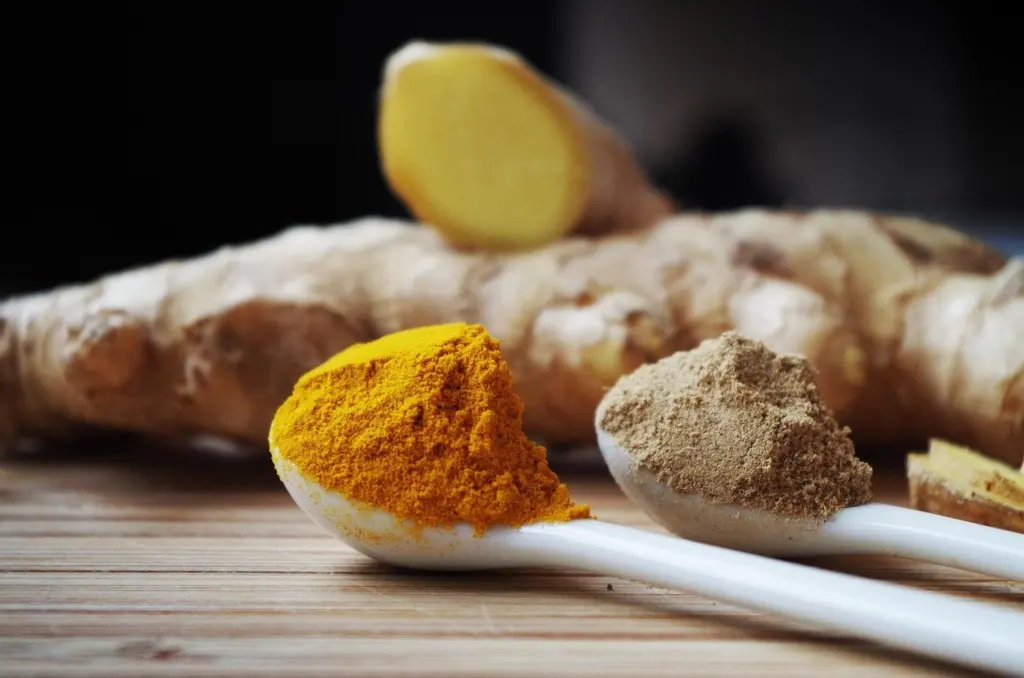
Curcumin is the compound in turmeric most often discussed in prevention research. Cancer Health reports that results from early-phase trials show promise for using curcumin to help prevent colorectal, oral and liver cancer, and that its anti-cancer effects have been studied in breast and lung cancer. The two statements describe different evidence levels. The first reflects human trials at an early stage; the second reflects research that is not the same as showing risk reduction in people.
What this means in practice: curcumin deserves attention as a researched compound, and the human trial signal is the reason it sits at the top of the compound table. It does not mean turmeric in the kitchen or curcumin capsules lower anyone’s cancer risk. Early-phase trials are designed to explore safety and signals, and larger trials are the step that would test whether risk actually changes.
If you are considering concentrated curcumin products, the supplement guidance later on this page applies. The dedicated page on curcumin cancer prevention goes further into what has been studied.
Green tea and EGCG
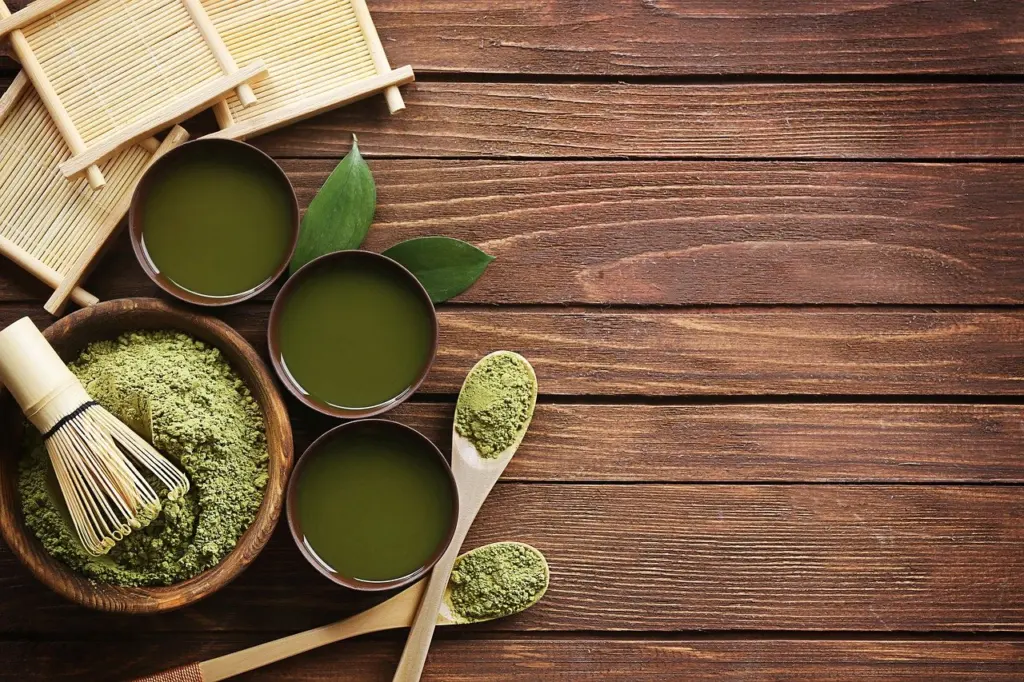
Epigallocatechin gallate, usually shortened to EGCG, is an antioxidant in green tea. Cancer Health reports that some studies associate green tea consumption with a moderate reduction in the risk of developing colorectal, stomach, esophageal and prostate cancers. The language is deliberately cautious. “Associated with” describes a pattern across people who drink green tea, not a demonstration that the tea or its EGCG caused the lower risk.
That distinction changes the decision. A cup of green tea is an ordinary food choice with a plausible research signal behind it, and it fits easily inside a mostly plant-based diet. A concentrated EGCG product is a different proposition, because the studies described concern tea drinking, not high-dose extracts. The tea is the better-supported starting point, and any extract should go through the supplement checks below.
For the fuller picture of the studies and their limits, read green tea cancer prevention.
Sulforaphane and cruciferous vegetables
Sulforaphane is the compound most closely associated with cruciferous vegetables in chemoprevention research, and it is a useful example of why researchers study foods and isolated compounds side by side. A vegetable delivers many components at once, in a food that also fits the plant-based pattern recommended in the lifestyle review. An isolated compound delivers one component at a chosen amount, which is easier to test and harder to extrapolate to ordinary eating.
Choose the food route when your goal is a sensible diet and the compound route only when you want to follow a specific research question. The detailed evidence profile, including what kind of studies exist, is on the page about sulforaphane cancer prevention.
Other plant compounds and where they fit
Several further compounds appear in prevention conversations, and each needs its own evidence check before any conclusion.
- Resveratrol. A widely discussed polyphenol with its own research record, covered in the page on resveratrol cancer prevention.
- Polypodium leucotomos. A plant extract studied in connection with the skin, discussed in polypodium leucotomos skin cancer.
- Melatonin. A hormone rather than a plant pigment, with research summarised under melatonin and cancer.
- Tart cherry. A fruit whose research is outlined in tart cherry cancer prevention.
- NDGA. A plant-derived compound explained in nordihydroguaiaretic acid benefits.
Plant chemistry has also produced established medicines. Cancer Health notes that some plant compounds are already used in chemotherapy drugs, while others are being explored for their preventative benefits. Paclitaxel, sold as Taxol, is the example it gives: it kills cancer cells and is used to treat breast, ovarian and non-small cell lung cancer. The lesson is a balanced one. Plants can be a genuine source of effective drugs, yet a drug developed, dosed and monitored by oncologists is a different thing from a plant extract bought off a shelf.
Inflammation as a shared theme
Many natural compounds are studied because they may act on inflammation, which is itself linked to cancer development. If that mechanism interests you, the explanation of how inflammation causes cancer gives context for why researchers choose these compounds to study. A plausible mechanism is a reason to test a compound, not evidence that the compound works.
Supplements and cancer treatment
Dietary supplements can interact with cancer medicines, and this is the point on which the supporting sources are most direct. Memorial Sloan Kettering advises: always discuss with your doctor whether they might interact with your cancer medicines. Cancer Health says the same from a different angle: some plant components can interact with medications, including chemotherapy agents.
The decision rule follows directly. If you are receiving, or about to receive, cancer treatment, tell your oncology team about every herbal product, extract and supplement before you start it, including products sold as natural or food-based. If you are not in treatment and are simply interested in prevention, the evidence above suggests that lifestyle changes give you more than any capsule, and that a doctor’s view is still worth having before adding concentrated extracts.
Antioxidants need particular care
Because compounds such as EGCG are described as antioxidants, it is tempting to assume that more antioxidant is always better. That assumption deserves a question mark, which the page on do antioxidants prevent cancer examines directly. A label describing a compound as an antioxidant is not evidence of benefit.
Where specific supplements are discussed
For an overview of the products most often marketed for prevention, see supplements that may help prevent cancer. Fatty acid products such as fish oil are covered in omega-3 and cancer prevention. In both cases, apply the same ladder: check what type of study stands behind the claim before reading further.
Practices that are not compounds
Natural health also includes practices rather than pills. Memorial Sloan Kettering describes mindfulness-based stress reduction as typically offered as an eight-week program. It is a structured practice with a defined format, and it belongs in a separate conversation from the compound rankings above because it is not an ingestible product and the sources do not frame it as a cancer-prevention agent.
Comparative biology: the elephant question
Some prevention research starts not with plants but with animals. The question of why elephants rarely get cancer centres on the p53 gene, a tumour-suppressor, and illustrates how researchers look for natural defences in other species.
This is a different kind of natural health research from diet or supplements. It is basic biology that may inform future science, and it makes no claim about anything a person can eat or take today. Keep it in the “understanding mechanisms” category rather than the “what should I do” category.

Related reading beyond cancer prevention
Two further pages on this site sit at the edge of this topic. Readers concerned about environmental exposure sometimes worry about detoxifying from glyphosate, a separate question with its own page, how to detoxify your body from glyphosate exposure. Those interested in plant-derived compounds in other fields can read about ashwagandha induces significant regeneration of neurites and reconstructs pre and postsyna, which is brain-health research rather than cancer research.
Frequently asked questions
| Question | Answer |
|---|---|
| Which natural compounds have been studied for cancer prevention? | Curcumin, EGCG from green tea and apigenin from parsley are the compounds with described evidence here. Curcumin has early-phase human trial signals, EGCG has associations in some studies, and apigenin has laboratory findings only. |
| How strong is the evidence that phytochemicals reduce cancer risk? | It is early for most of them. Many plant compounds need larger clinical trials before becoming part of standard care, while the strongest evidence in this area concerns overall diet and lifestyle. |
| Does a promising lab result mean a compound is safe or useful for people? | No. A dish-based result shows a compound is worth studying. Only human trials can show effects and safety in people. |
| Can dietary supplements interact with cancer treatment? | Yes. Some plant components can interact with medications, including chemotherapy agents, so discuss any supplement with your doctor before using it alongside cancer medicines. |
| Which lifestyle factors are linked to lower cancer risk? | A balanced plant-based diet, a healthy body weight, regular physical activity, not smoking and limiting alcohol are the factors supported by the sources on this page. |