Quick answer: Sulforaphane cancer prevention research is promising in lab and animal work, but larger human studies are still needed. Broccoli’s glucoraphanin becomes sulforaphane only when the enzyme myrosinase acts on it, so preparation and individual biology both matter.
This article belongs to our wider natural health and cancer prevention research coverage. It follows the chemistry from plant to bloodstream and then grades what each type of study can and cannot show.
How sulforaphane forms from glucoraphanin
Sulforaphane is a plant compound that does not exist in intact form in the vegetable. According to a Johns Hopkins-hosted review of broccoli versus sulforaphane dosing, it is present in the plant as its precursor, glucoraphanin, and is formed through the actions of myrosinase. The conversion runs in ordered stages.
Precursor stored in the plant
Cruciferous plants build glucoraphanin from the amino acid L-methionine, as a Frontiers in Immunology review describes. In that review the compound is framed as a defence chemical for the plant. In the living vegetable, glucoraphanin is the stable, stored form.
Damage brings enzyme and precursor together
Myrosinase is the plant enzyme that turns glucoraphanin into sulforaphane. Damaging broccoli sprouts by chewing, chopping or freezing triggers this enzymatic reaction, according to a FoundMyFitness episode featuring Jed Fahey. The practical lesson is that the knife and your teeth are part of the chemistry.
Absorption varies between people
Once sulforaphane is formed, the body still has to absorb and handle it. The Frontiers review reports that gut microbiota composition and glutathione S-transferase (GST) polymorphisms dictate sulforaphane bioavailability. Two people eating the same serving can therefore end up with different exposure, which is one reason average results from trials do not map neatly onto an individual.
Glucoraphanin versus sulforaphane
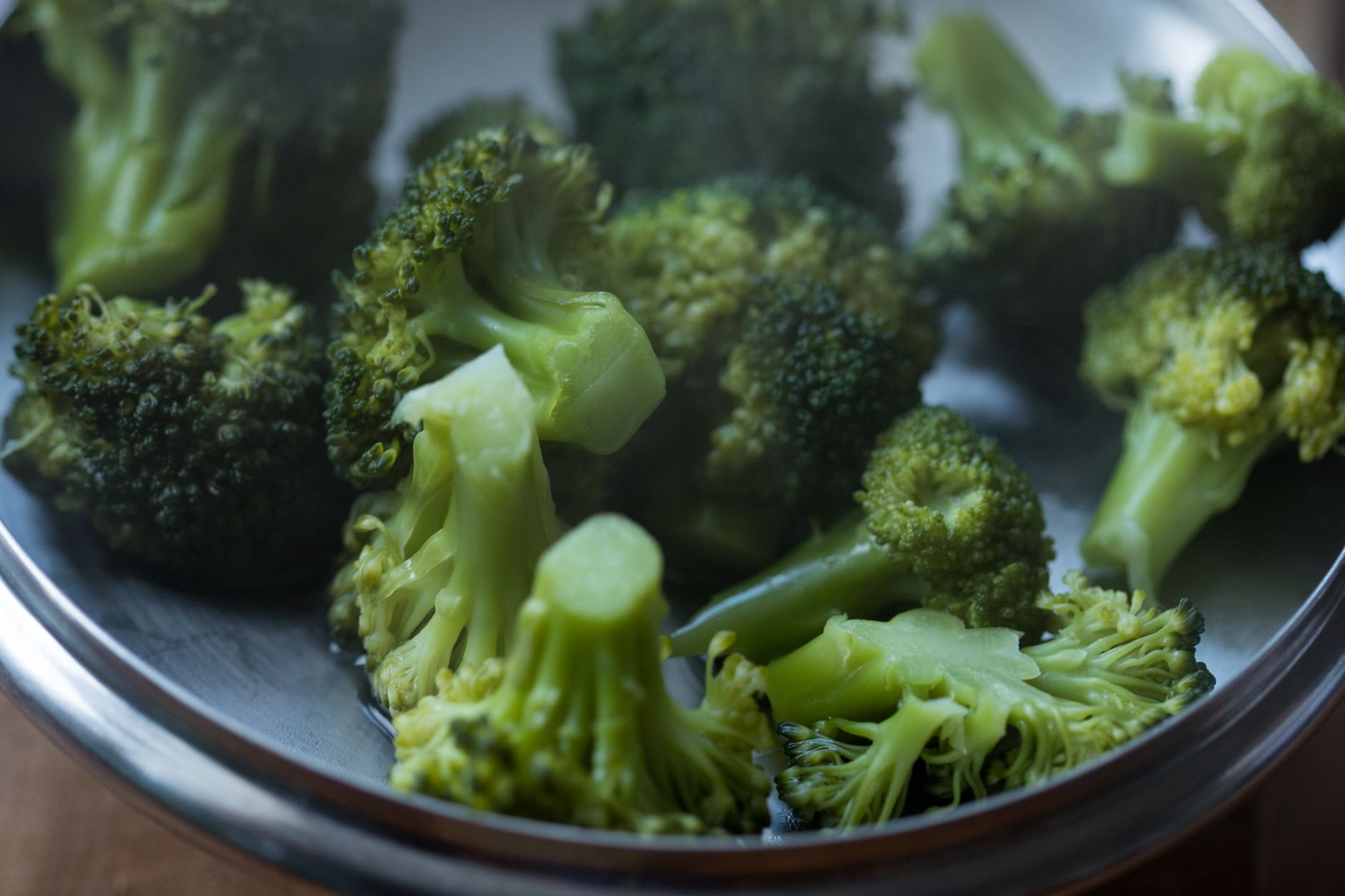
Glucoraphanin is the inactive plant precursor, and sulforaphane is the reactive product formed from it. Glucoraphanin is what the vegetable stores, while sulforaphane is what researchers study for biological effects. That difference explains why a food with plenty of glucoraphanin does not automatically deliver sulforaphane.
The distinction matters when reading research. Epidemiological studies have linked the consumption of glucoraphanin-rich cruciferous vegetables with a reduced risk of several cancers, including prostate, lung and colorectal, according to the Frontiers review. Those studies measure food intake, not the sulforaphane actually formed in the body.
Proposed mechanisms from laboratory research
The mechanisms below are lab findings. They describe what sulforaphane does in cells and animals, not proven effects in people.
- Nrf2 activation. The Frontiers review names activation of the Nrf2-mediated antioxidant response as a canonical mechanism. Fahey’s discussion adds that Nrf2 regulates the expression of more than 200 cytoprotective enzymes.
- Phase II detoxification enzymes. Memorial Sloan Kettering explains that induction of phase 2 enzymes occurs through antioxidant response element-driven gene expression, including NQO1, HO-1 and GCS.
- HDAC inhibition. The same MSK page notes that sulforaphane inhibits histone deacetylase through its metabolites in vitro. The Frontiers review lists histone deacetylase inhibition alongside Nrf2 as a core proposed mechanism.
These pathways give a plausible biological story. A plausible story is not a demonstration of prevention, which is why the next section separates the types of evidence.
Grading the evidence: lab, animal and human studies
Sulforaphane was first isolated from broccoli and shown to have cancer chemoprotective properties in rats in the early 1990s, per the Johns Hopkins-hosted review. Since then the literature has grown large. The Frontiers authors argue that the strength of evidence across in vitro, in vivo and clinical models needs separate appraisal, because strong cell results are often cited as if they were clinical proof.
| Evidence type | What it shows | Planning use |
|---|---|---|
| Cancer cell studies | Sulforaphane demonstrated anticancer effects against prostate, breast and urinary cancer cells. | Useful for identifying mechanisms. Not a basis for dietary or treatment decisions. |
| Animal studies | A prenatal or maternal broccoli sprout diet in mice appeared to offer greater preventive effects against breast cancer than postnatal treatment. | Shows biological plausibility and that timing may matter in animals. Does not set a human dose or schedule. |
| Observational studies | Higher intake of glucoraphanin-rich cruciferous vegetables is linked to reduced risk of several cancers, including prostate, lung and colorectal. A meta-analysis of cruciferous intake reported CYP1A2 activity up 20-40% and GST-alpha up 15-35%. | Supports eating more cruciferous vegetables as part of a varied diet. Association is not proof of cause. |
| Human trials of sprouts | Sprouts helped reduce Helicobacter pylori-induced gastritis but were not effective in eradication. A pancreatic cancer feasibility study noted some benefit, difficulty with capsules and increased digestive symptoms. Larger studies are needed. | Findings are on biomarkers and symptoms, not on cancers prevented. Treat them as early signals. |
Figures above come from Memorial Sloan Kettering’s broccoli sprouts summary and the Frontiers in Immunology review.
Clinical trials have examined pharmacokinetics, pharmacodynamics and disease mitigation, so human data exist. MSK notes that source, placebo, dose and standardization of sprout preparations remain challenges, which limits how far results can be generalized. The overall picture is a strong lab rationale, supportive food-based epidemiology and human work that is still at the biomarker and feasibility stage.
The same caution applies to other popular compounds. If you are weighing this evidence against the research on green tea cancer prevention or resveratrol cancer prevention, apply the same ladder. Cell results come first, then animals, then observational data, then trials with clinical outcomes.
Cooking and preparation
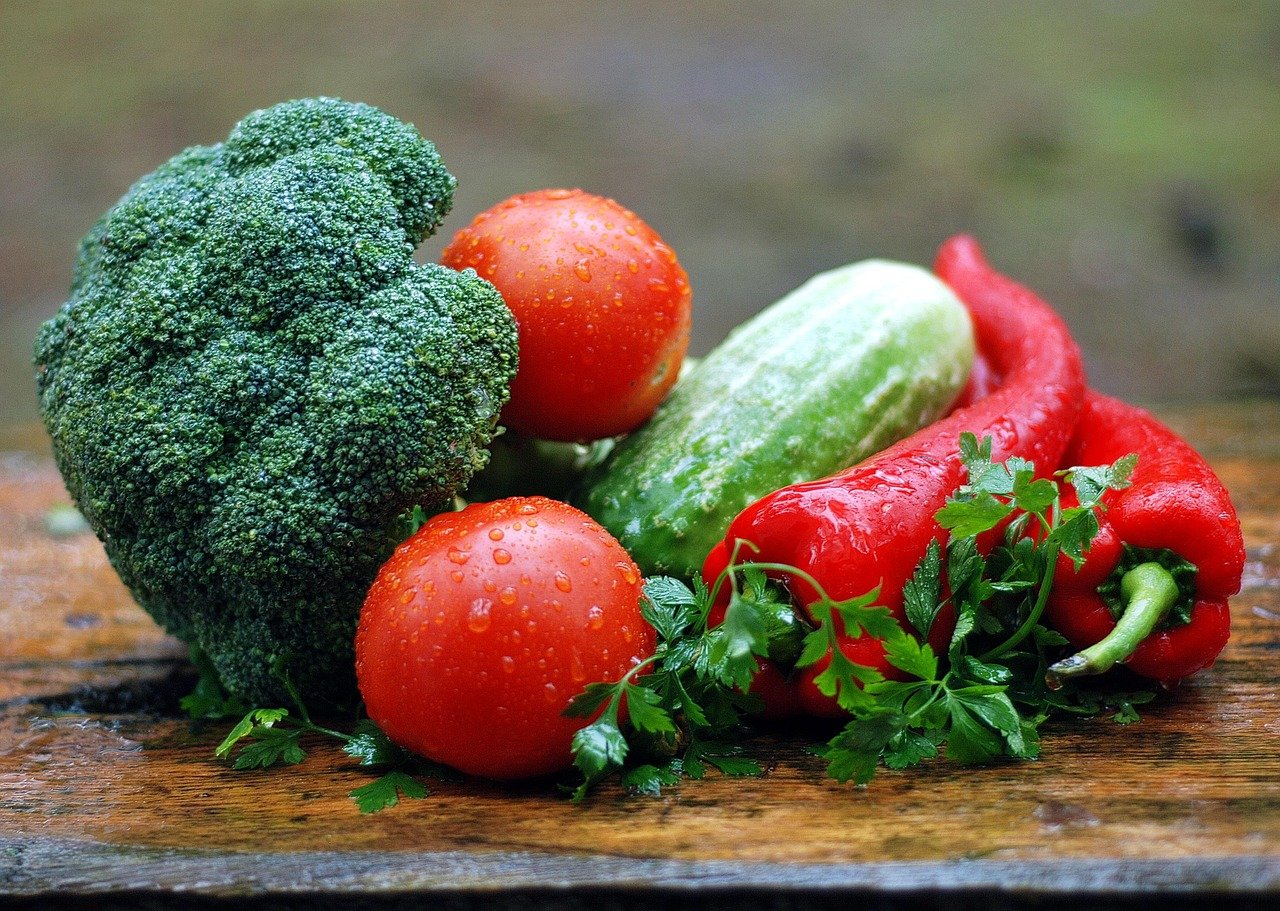
Cooking can change sulforaphane yield, because the yield depends on myrosinase acting on glucoraphanin after the plant tissue is damaged. Whether the enzyme survives your preparation is the deciding variable. The research on sprouts shows that damage by chewing, chopping or freezing is what sets the reaction going.
Sound preparation habits follow from the chemistry:
- Chop or chew thoroughly. Tissue damage is the trigger, so finely chopped or well-chewed vegetables give the enzyme the best chance to act.
- Vary raw and cooked servings. Eating some cruciferous vegetables raw is a reasonable hedge, since the reaction relies on the plant’s own enzyme.
- Do not rely on one vegetable or method. The epidemiology covers cruciferous vegetable intake in general, so variety fits the evidence better than perfecting a single technique.
Sprouts, supplements and whole vegetables
Broccoli sprout supplements do not work the same way as eating the vegetable. The Johns Hopkins-hosted review compares formulation, including plants, sprouts, beverages and supplements, for bioavailability and efficacy, and treats them as distinct delivery routes. MSK adds that supplements are stronger than the sprouts you would add to your food.
Why concentration cuts both ways
A stronger product delivers more compound, but more is not necessarily better. The Frontiers review describes a biphasic dose-response phenomenon for sulforaphane, with low-dose stimulation and high-dose inhibition. That finding comes from lab models and is a reason not to assume that bigger doses give bigger benefits.
Tolerability in trials
In the pancreatic cancer feasibility study, some participants found capsules hard to take, and the intervention was associated with increased digestive symptoms. Individual variation in gut microbiota and GST genotype adds further unpredictability to how any one person responds.
For most people, whole cruciferous vegetables and sprouts are the lower-risk way to explore this research. A supplement is a different product with a different dose, and it deserves a conversation with a clinician first, especially for anyone in cancer treatment.
Practical takeaways
- Eat cruciferous vegetables regularly. The observational link to lower risk of several cancers is the best-supported reason, and it applies to the vegetables themselves.
- Prepare them with the enzyme in mind. Chop or chew well, and mix raw and cooked servings.
- Treat sulforaphane claims with proportion. Nrf2 and HDAC findings are laboratory results, and human data are still early.
- Check before using supplements. They are more concentrated than food, and their dose-response and tolerability are less certain.
Frequently asked questions
Is sulforaphane a proven cancer treatment?
No. In a FoundMyFitness episode with Jed Fahey, the point is made that there is not scientific consensus that sulforaphane is a cancer therapy. The research supports further study, not treatment claims.
Is it safe to take broccoli sprout supplements during chemotherapy?
Not without medical advice. MSK notes that using high-dose broccoli sprout supplements while on chemotherapy can increase nausea and vomiting. Ask your oncology team before starting any supplement.
How much research exists on sulforaphane?
A lot. The Johns Hopkins-hosted review cites over 3000 publications, including over 50 clinical trials on pharmacokinetics, pharmacodynamics and disease mitigation. The volume is large, but most findings concern mechanisms and biomarkers rather than cancer outcomes.
Why might two people respond differently to the same broccoli?
Gut microbiota composition and GST polymorphisms affect how much sulforaphane is available to the body. Preparation also changes how much forms in the first place.