| Option or finding | What the evidence shows | Planning use |
|---|---|---|
| Drinking green tea | Some studies suggest benefits at 3 or more cups a day, while others looked at 4-10 cups. Dana-Farber describes the evidence for tea alone as too weak or inconclusive. | A reasonable daily drink. Do not treat it as a proven protective step. |
| Breast cancer review | Drinking green tea was linked to a 15% lower risk of breast cancer. | An association from observational data, not proof that tea caused the difference. |
| Concentrated extract | Some experts recommend a maximum of 600 mg of EGCG per day, and others go up to 800-1,000 mg. | Treat these as ceilings, not targets. Staying well below them is the cautious choice. |
| High-dose green tea | In rare cases, high doses can damage the liver. | Avoid stacking several extract products. Stop and seek medical advice if liver symptoms appear. |
Figures above come from Breastcancer.org’s green tea guidance and the Dana-Farber Cancer Institute’s review of tea and cancer.
Green tea cancer prevention evidence is mixed: regular drinking is linked to lower risk of some cancers in some studies, but results are inconsistent, and high-dose extract carries a rare liver risk.
This article is one of the guides within our wider natural health and cancer prevention research overview. It compares drinking tea with taking concentrated extract and sets intake amounts and safety limits beside what human studies actually found.
What the human studies mean for your decisions
Human data do not show that green tea prevents cancer. Dana-Farber notes that more than 50 epidemiologic studies since 2006 have examined tea drinking and cancer risk, with inconsistent findings. It also notes that most prevention research has focused on green tea, which contains greater amounts of catechins. MD Anderson reaches a similar position, saying overall research is too limited to draw strong conclusions (MD Anderson).
Breastcancer.org states the practical bottom line plainly: green tea can’t cure cancer, but it may reduce the risk of some cancers, including breast cancer.
Cohort and review results
The clearest cohort numbers come from a Shanghai study summarised by the American Institute for Cancer Research. Regular tea drinkers had a 14% reduced risk of all digestive system cancers combined after 11 years. Women who drank tea for 20 or more years had a 27% reduced risk. The researchers did not find a link between tea and the individual cancers examined, which included stomach cancer. The finding applied to Chinese women who do not smoke or drink alcohol, so it should not be stretched to everyone.
For breast cancer, a review summarised by Breastcancer.org linked green tea drinking to a 15% lower risk. It also linked drinking green tea before a stage I or II breast cancer diagnosis to a 44% lower risk of recurrence. These are associations. People who drink a lot of tea may differ from non-drinkers in other habits, and that limits what the numbers can show.
How to use this evidence
- If you already enjoy tea: keep drinking it as part of a varied diet. The findings are encouraging enough to support the habit, and brewed tea is the form most of the human observations describe.
- If you do not drink tea: there is no strong reason to start for cancer prevention alone. The evidence is too inconsistent to justify changing your routine on those grounds.
- If you are looking for a specific cancer benefit: be cautious about any claim of one. The Shanghai cohort found a lower risk for digestive cancers combined but no link with the individual cancers it examined.
- If you have cancer: do not treat tea or EGCG as a replacement for treatment. The Mayo Clinic researchers behind an EGCG trial said directly that it is not a substitute for chemotherapy.
Tea versus concentrated extract
Brewed tea and concentrated extract are different exposures with different risks. Most observational findings describe cups of tea. Extracts deliver EGCG in far more concentrated form, and that is where the safety limits matter.
Brewed tea amounts
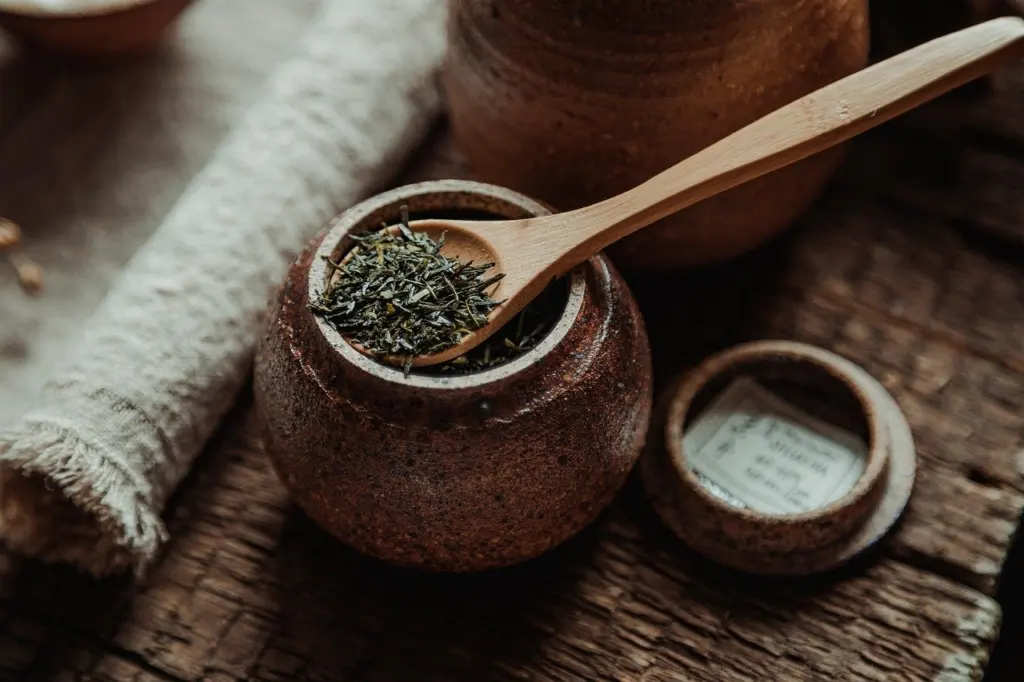
Breastcancer.org reports that some studies suggest benefits at 3 or more cups of green tea per day, while others looked at 4-10 cups. That spread shows there is no established target. For planning, a few cups a day matches the lower end of what researchers have studied. Treat the higher end as an observation about what some studies measured, not as advice to drink that much.
Extract doses and liver safety
Breastcancer.org says some experts recommend a maximum of 600 mg of EGCG per day from supplements, and others accept up to 800-1,000 mg. A maximum is not a recommended intake, and nothing in these figures shows that reaching it is beneficial. The same source warns that in rare cases high doses of green tea can damage the liver. This is the hepatotoxicity concern that separates extract from tea.
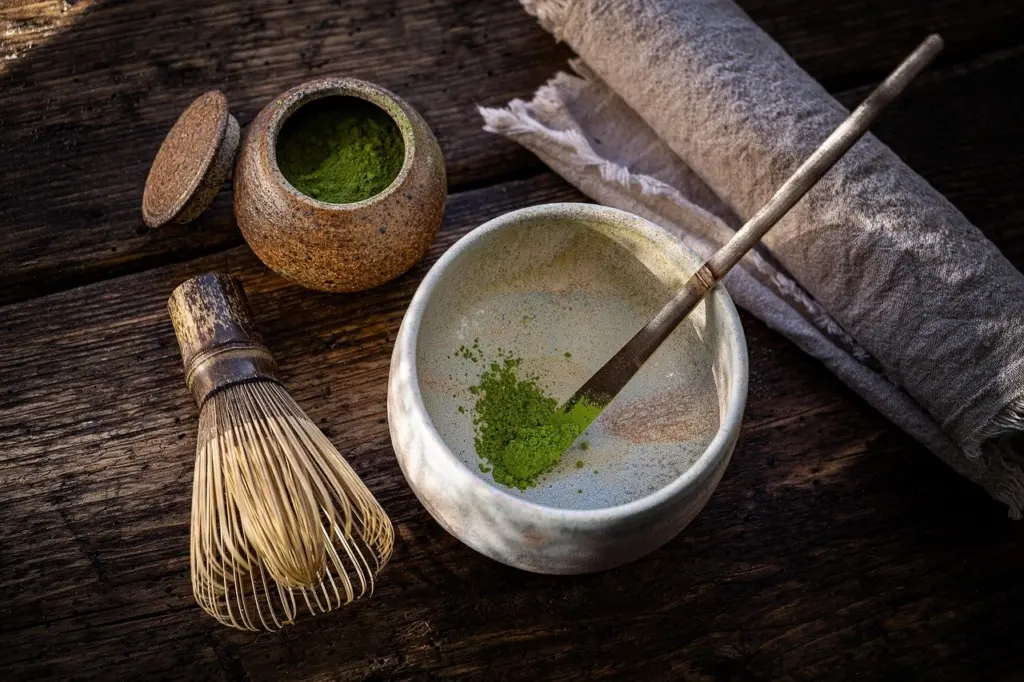
Trial data on extract are limited and come from treatment settings rather than prevention. In a phase II Mayo Clinic trial of 42 patients with chronic lymphocytic leukemia, 69 percent had a biological response to EGCG. Three of the 42 experienced a grade 3 side effect during six months of treatment, according to a report on the trial. The researchers said that without a phase III clinical trial they could not recommend EGCG for these patients. That is a measure of response in people with an existing cancer, so it does not show that extract prevents cancer in healthy people.
- Suits tea drinkers: brewed tea, taken in the amounts studied, is the lower-risk way to take in green tea catechins.
- Needs a clinician first: anyone with liver disease, taking regular medicines or in cancer treatment should check before using extract. Tamoxifen is one example, since lab findings suggest an interaction.
- Stay under the ceiling: if you do take a supplement, add up EGCG from every product, because the suggested maximums apply to the daily total.
Where EGCG comes from
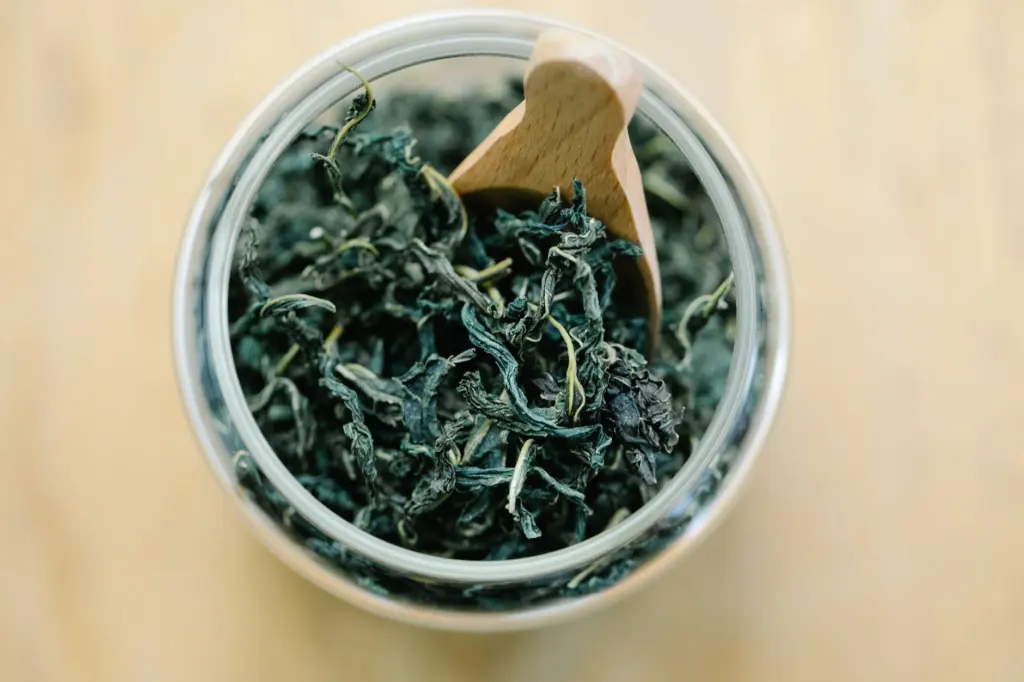
Epigallocatechin gallate (EGCG) is one of the catechins, a group of polyphenols in tea. Tea is made from the leaf of the plant Camellia sinensis, which contains an array of chemicals including alkaloids and polyphenols, according to Dana-Farber.

How much EGCG is in a cup?
MD Anderson says green tea usually contains the highest amount of EGCG among tea types, though all teas contain valuable antioxidants. Green tea, black tea and matcha all come from the leaves of Camellia sinensis, so the difference lies in how the leaf is processed and prepared.
The per-cup amount depends on the tea and how it is prepared, so counting cups is only a rough proxy for EGCG intake. That matters when comparing tea with supplements, whose ceilings are set in milligrams of EGCG. A cup count and a milligram figure cannot be swapped one for one.
What EGCG does to cells in lab studies
In lab work, EGCG and green tea extract show effects that have not been confirmed in people. Breastcancer.org notes that studies in animals and cells often use green tea extract or EGCG rather than brewed tea. It also reports that cell and animal studies found green tea extract may boost the effects of the breast cancer drug tamoxifen.
Absorption is the main reason to read lab results cautiously. The same source says the body is not good at absorbing catechins from green tea and getting them into cells. A concentration that works on cells in a dish may therefore not be reached by drinking tea, which is one reason lab promise and human results can diverge. Dosing extract to close that gap brings the liver concern back into play.
Choosing a sensible approach
Green tea suits people who want a low-risk habit that may offer a small benefit, with no promise of cancer protection. Extract needs more care, a clear reason and medical input. Food-based approaches to other compounds follow a similar logic, and the guides on curcumin cancer prevention and sulforaphane cancer prevention apply the same cautious reading to other compounds.
Frequently asked questions
Can green tea or EGCG replace cancer treatment?
No. The Mayo Clinic researchers who ran the EGCG leukemia trial cautioned that EGCG is not a substitute for chemotherapy, and Breastcancer.org says green tea can’t cure cancer.
Is decaffeinated green tea as useful as regular green tea?
Probably less so. Breastcancer.org notes that decaffeinated green tea has fewer catechins, so it may be less helpful for fighting cancer, and MD Anderson also says decaf tea has fewer antioxidants.
Does drinking hot tea carry a risk?
Breastcancer.org says drinking hot tea may raise the risk of esophageal cancer, so let it cool a bit before drinking.
How much caffeine from green tea is acceptable in pregnancy?
Breastcancer.org advises limiting caffeine from green tea and other sources to 200 mg per day if you are pregnant or nursing. Count all caffeine sources together, not just tea.