| Question | What the research shows | Planning use |
|---|---|---|
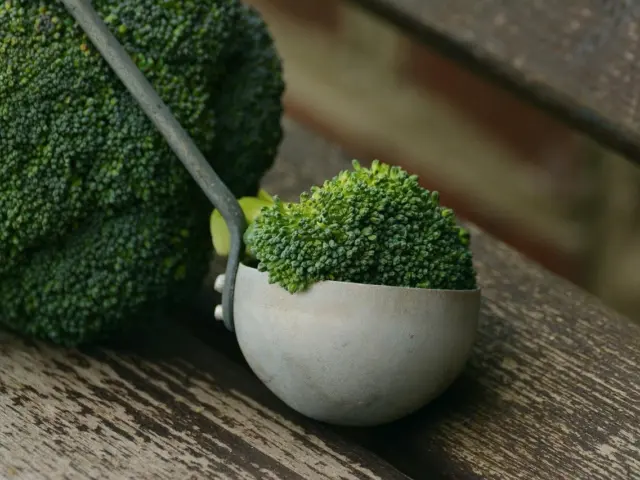
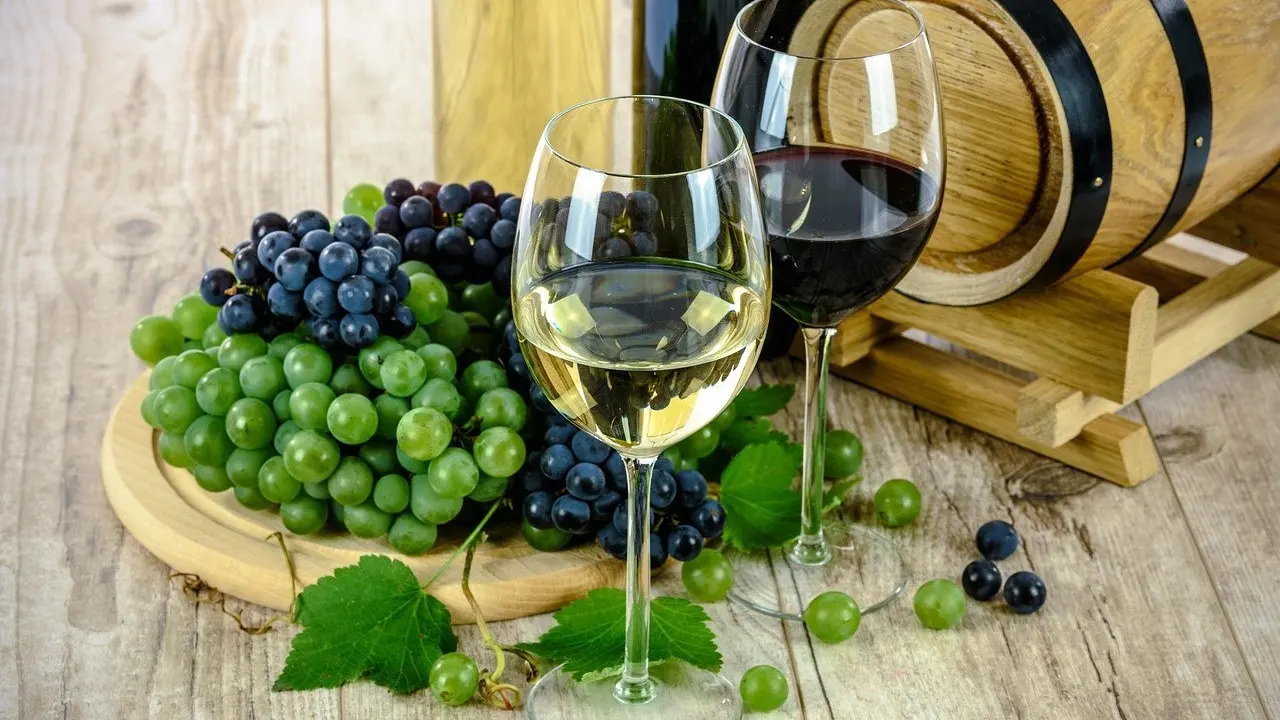
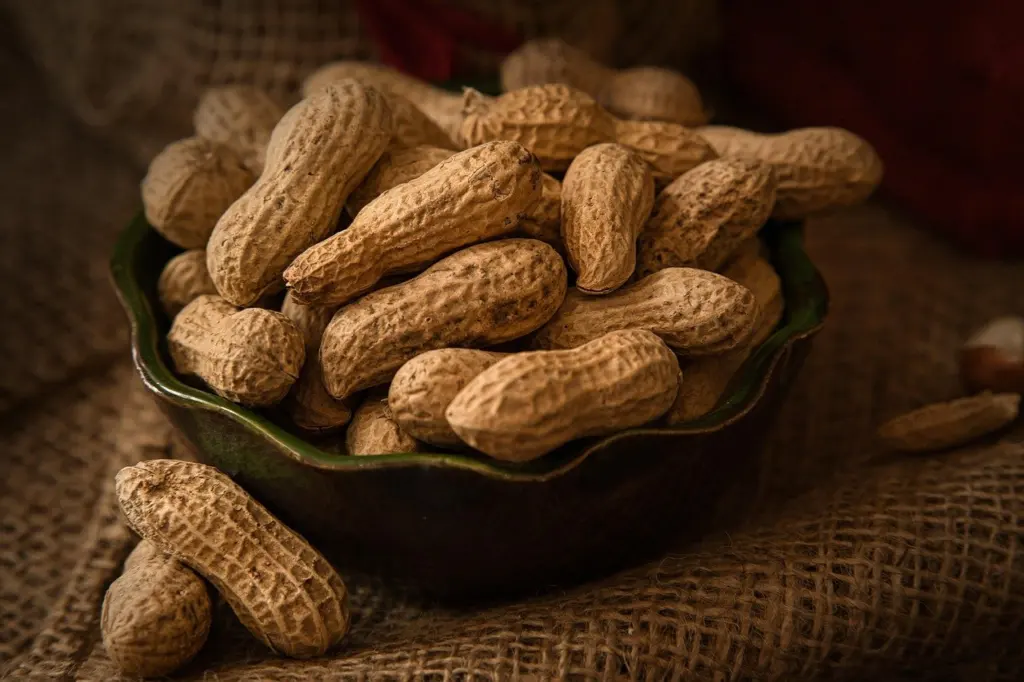
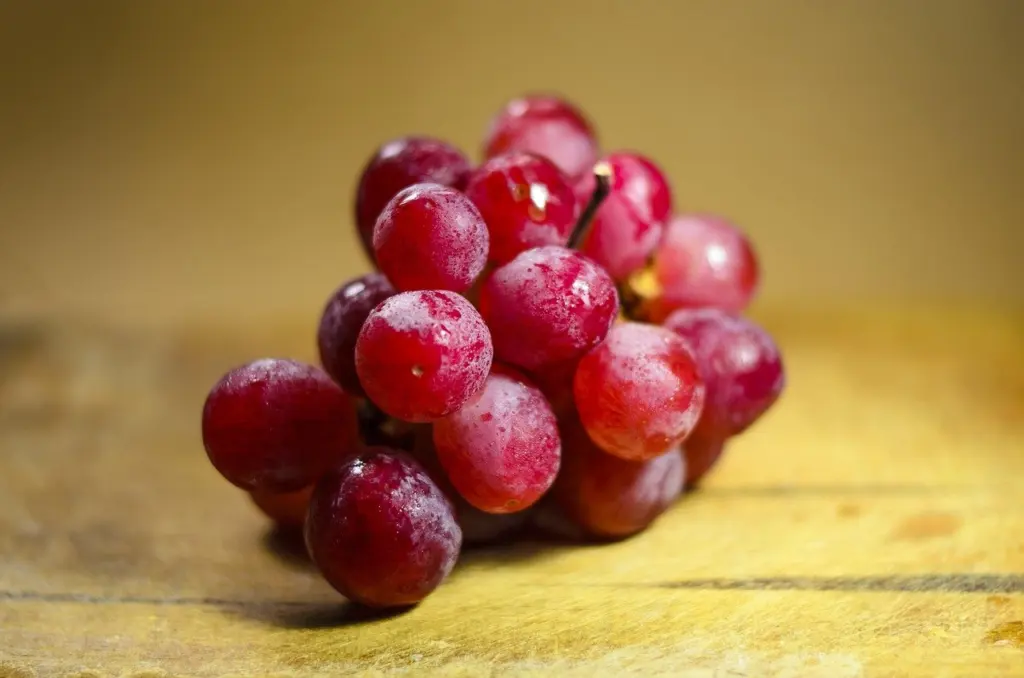
| Where it occurs | Resveratrol is found in grapes, red wine, peanuts, pistachios, blueberries and cranberries. | Eat these foods for their own sake. Do not count on them as cancer protection. |
| Human trial evidence | Results from human trials of resveratrol for many diseases have been inconsistent. Phase 1 colorectal pilots gave conflicting signals. | Do not build a prevention plan around resveratrol. |
| Dose gap | One report sets a low dose of 5 mg against a high dose of 1 g, which is 200 times bigger. | Food intake and trial doses are different things. Do not extrapolate from one to the other. |
| High-dose safety | A study of a high-dose micronized formula in multiple myeloma patients was stopped because of serious adverse events. | Avoid high-dose supplements outside supervised research. |
| Red wine | Alcohol causes around 12,800 cancers a year in the UK, about 4% of cases. | Do not drink wine for its resveratrol. |
The findings above come from Memorial Sloan Kettering’s resveratrol monograph and Cancer Research UK’s report on resveratrol, red wine and cancer.
Resveratrol cancer prevention remains a laboratory and animal-study story, not a proven human benefit. Grapes, peanuts and berries are fine foods, but the doses that affected cancer cells in studies are far beyond what a normal diet supplies.
This article puts that dose gap at the centre and works outwards to trials, absorption and mechanisms. For the wider context, see our overview of natural health and cancer prevention research.
What the research means for everyday choices
The practical conclusion is that resveratrol is a reason to enjoy certain foods, not a tool for lowering cancer risk. The decisions below follow from the evidence, and the sections after this one explain why.
- Foods: Memorial Sloan Kettering lists grapes, peanuts, pistachios, blueberries and cranberries as sources. Treat that as a bonus of eating them. The research that excites headlines used purified compound at concentrations food cannot match.
- Red wine: The mouse work that Cancer Research UK discusses was done on purified resveratrol, not red wine. Wine is therefore not a tested way to deliver the compound, and the alcohol risk in the table above outweighs any speculative gain.
- Supplements: Capsules can deliver far more than a meal, but higher-dose formulas have caused serious harm in at least one trial, covered below. A capsule is not a shortcut to the lab effect.
- People with a diagnosis: Memorial Sloan Kettering notes that one pilot suggests utility may be limited to prevention rather than established cancers. Anyone in treatment should talk to their oncology team before taking any supplement.
If you want a food-derived compound with its own evidence base to compare, read about sulforaphane cancer prevention. For a natural extract studied in one specific cancer setting, see polypodium leucotomos skin cancer.
The dose gap between food and lab studies
Dietary resveratrol and the amounts used in experiments are measured in very different units. Wine is reported in milligrams per litre, while human trials have used grams per day.
One review abstract puts the concentration in wine at 0.2 to 7.7 mg/L, so it varies widely from wine to wine. A glass can be described in another way: a report on laboratory work gives 9 to 28 µmol/L for red wine. It also notes that resveratrol suppressed DNA adducts in lab cells at a low concentration of 10 µmol/L.
That makes the glass figure look comparable to the lab concentration, and it explains why such results attract attention. The comparison breaks down because cells in a dish are bathed in the compound. A person has to absorb it first, and as the absorption section shows, the body does so poorly.
A bigger dose is not automatically a better one. In the mouse study reported by Cancer Research UK, the low dose reduced tumour growth by half, whereas the high dose reduced it by only a quarter. The same report sets a low dose of 5 mg against a high dose of 1 g, 200 times bigger. Pushing intake up does not reliably push benefit up.
Human trials and safety findings
Few people with cancer have been studied, and the results do not agree. Breastcancer.org states that only a few small studies have tested resveratrol in people with cancer.
Colorectal and prostate studies
In a colorectal study of 20 people, taking 4 or 8 g of resveratrol a day slowed the growth of colorectal cancer cells. Memorial Sloan Kettering describes the phase 1 colorectal pilots as conflicting. One suggests a possible drop in proliferation, and another suggests utility may be limited to prevention rather than established cancers.
A prostate cancer recurrence study in 112 men gave 0.5 g or 4 g a day of grape-skin resveratrol. It did not change PSA doubling time, according to Breastcancer.org. A biomarker signal in one trial and none in another is why the overall picture is described as inconsistent.
Safety at high doses
Gastrointestinal symptoms such as nausea, vomiting and diarrhea can occur above about 2.5 g a day. Memorial Sloan Kettering lists nausea, gas, abdominal pain and diarrhea as side effects of high doses. The most serious signal came from multiple myeloma: a study in 24 people ended early because five developed kidney failure, and Memorial Sloan Kettering reports that the high-dose micronized formula study was stopped for serious adverse events.
One review abstract says limited human data suggest resveratrol is pharmacologically quite safe. The myeloma result shows that reassurance should not be stretched to every dose, formula or patient group.
Absorption and bioavailability
Resveratrol has poor bioavailability in people. Breastcancer.org says the human body does not absorb it well, and that it is broken down and cleared too quickly.
In a 2007 healthy-volunteer trial, Cancer Research UK reports that even very high doses could not reach the blood level required. That finding is the heart of the translation problem. A concentration that works in a dish may never be reached in circulation.
After absorption, a review abstract names the liver and kidney as target organs, where it is concentrated and converted to sulfated and glucuronide forms. Those are the organs for which the myeloma kidney failures matter most.
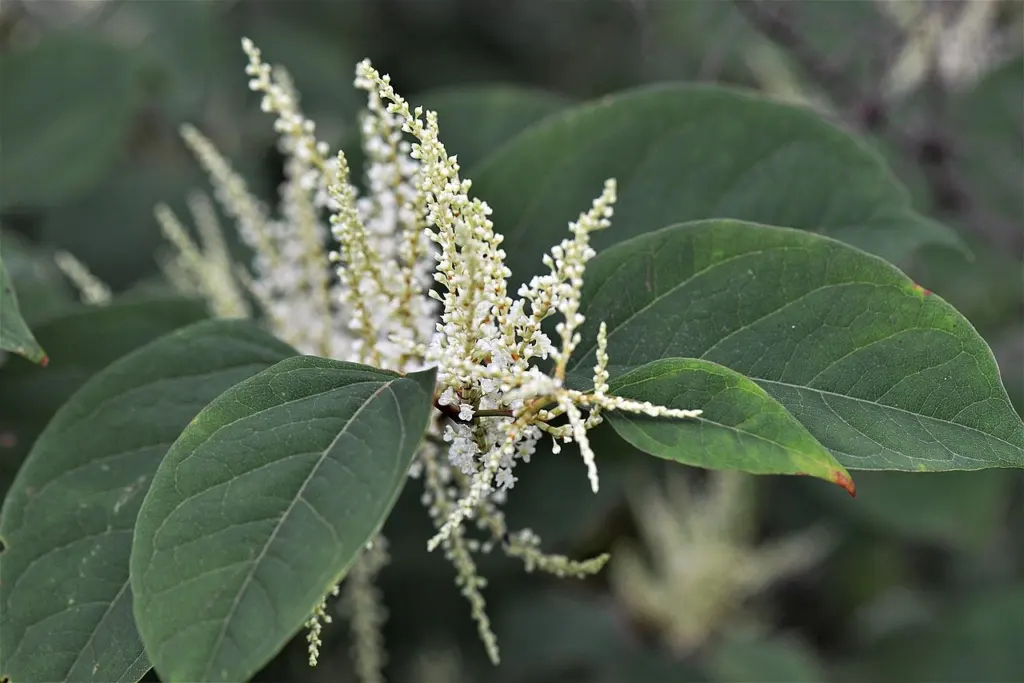
The same abstract notes that resveratrol occurs in a wide variety of plants, including Japanese knotweed (Polygonum cuspidatum), as well as in grapes. The plant of origin does not change how the body handles the compound.
How resveratrol acts on cancer cells in the lab
Laboratory work points to several ways resveratrol could slow cancer cells, but these are mechanisms seen in cells and animals. A review abstract reports that its growth-inhibitory effects are mediated through cell-cycle arrest, with changes in p21, p53 and Bax and activation of caspases, the enzymes that drive cell death.
In mice, Cancer Research UK reports that resveratrol slowed division of abnormal tumour cells, apparently by boosting the activity of a molecule called AMPK.
SIRT1 is the protein that often appears in popular accounts. Memorial Sloan Kettering describes it as a key protein in metabolism and inflammation, and cites studies in which resveratrol reduced prostate tumorigenesis while SIRT1 expression increased. That is an association in those studies, and it does not show that SIRT1 is how people would be protected.
Every one of these mechanisms depends on enough resveratrol reaching the tissue. That brings the question back to dose and absorption.
Frequently asked questions
Is it safe to get resveratrol from food?
Yes. Breastcancer.org says getting resveratrol from food is safe for people with breast cancer, but sees no good reason to take it as a supplement for cancer.
Is resveratrol a concern for estrogen receptor-positive breast cancer?
It may be. Resveratrol can act like estrogen, which could drive the growth of estrogen receptor-positive breast cancer. Memorial Sloan Kettering also reports estrogen-like properties that can stimulate cancer cell proliferation.
Does resveratrol interact with blood thinners?
It may. Memorial Sloan Kettering warns that resveratrol may increase the risk of bleeding with warfarin and similar blood thinners, so check with a prescriber before taking it.