A traveller packing for a sunny holiday wonders if a fern capsule can stand in for sunscreen. On polypodium leucotomos skin cancer questions, the answer is no: human UV-response data are modest, and the extract has not been shown to prevent skin cancer.
The extract is best treated as a possible add-on to shade, clothing and sunscreen, never a substitute. This article sits within our wider natural health and cancer prevention research coverage and separates common assumptions from what the evidence supports.
What the fern extract is
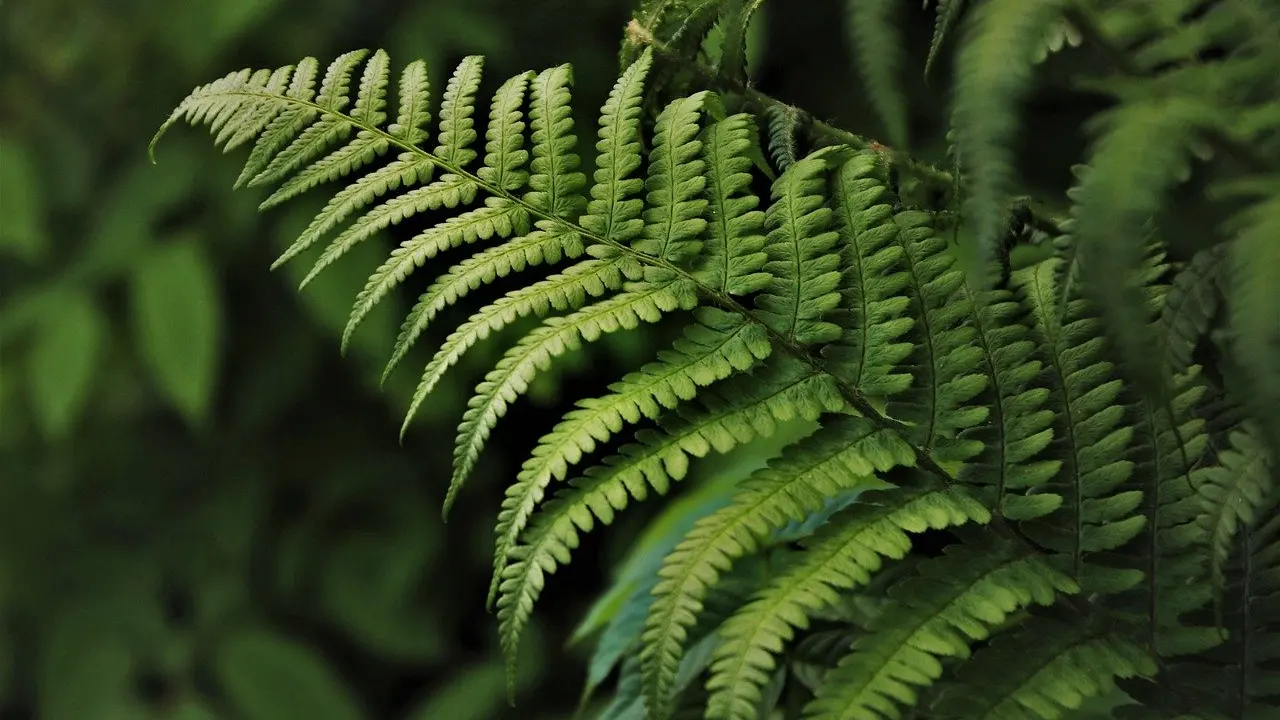
Polypodium leucotomos is a tropical fern, and its extract has shown photoprotective effects in animal and human models, according to the clinical trial registry entry for a pilot study of the extract. The same entry notes that it is sold as an over-the-counter dietary supplement, so anyone can buy it without a prescription. That easy access is one reason the claims around it deserve a careful read.
The proposed mechanism is antioxidant. The extract is described as scavenging free radicals and reactive oxygen species, which are the molecules that help drive UV-induced damage. Ultraviolet radiation matters here because overexposure causes sunburn, which a Mohs surgery practice overview describes as inflammation of the skin that carries a long-term risk of skin cancer. The same overview calls non-melanoma skin cancer the most common form of cancer in the United States.
Interest in an oral option has a practical origin. The overview points out that compliance with hats, clothing, sunscreen and shade is low because these methods are inconvenient. A capsule is easy to take, but convenience is not evidence of equal protection.
Three assumptions against the evidence
| Common assumption | What is supported | Planning use |
|---|---|---|
| It prevents skin cancer | Human studies report fewer UV-induced sunburn cells and less DNA damage. In the registered pilot trial, actinic keratoses are the primary outcome and skin cancer is secondary. | Read it as a UV-response finding, not a cancer-prevention result. |
| It replaces sunscreen | Early research on dosing before sun exposure reports less reddening and fewer signs of skin damage. Natural Medicines lists insufficient evidence to rate effectiveness for many uses. | Keep every standard sun-protection habit in place. |
| Natural means no downside | Short-term oral or topical use is rated possibly safe, and long-term safety is not known. | Treat it as a short-term, optional add-on rather than a daily habit with proven safety. |
These points draw on the trial registry entry and RxList’s summary of Natural Medicines ratings.
Myth: it has been shown to prevent skin cancer
Polypodium leucotomos has not been shown to prevent skin cancer, and the human data that exist concern markers of UV injury. The distinction between damage markers and cancer outcomes is the most important one in this topic.
What human UV-response studies measured
The trial registry entry states that oral consumption in human studies has significantly reduced the number of UV-induced sunburn cells and DNA damage. Those are measurable changes in skin after UV exposure. Early research summarised by RxList adds that taking the extract before sun exposure can reduce reddening of the skin and signs of skin damage.
The registered pilot is a randomised, double-blind comparison of 240 mg taken orally each day against a matching placebo. Its histologic markers are cyclobutane pyrimidine dimer positive cells, a DNA-damage marker, and sunburn cell counts. Its primary clinical outcome is actinic keratoses, the rough sun-damage patches on skin, assessed by a clinical dermatologist. Skin cancer itself is a secondary outcome.
How to weigh those findings
Fewer sunburn cells after a UV challenge is a sensible reason to keep studying the extract. It does not show that fewer cancers develop over years. Someone reading a supplement label that implies cancer protection should treat that implication as unsupported and judge the product on the narrower UV-response evidence.
Myth: anti-inflammatory means a proven effect on inflammatory signals
An interleukin is an inflammatory signal, but the extract’s described properties do not establish an effect on it. The Mohs overview reports that studies have shown antioxidant, anti-inflammatory, immunomodulatory and photoprotective properties. Those are broad descriptions, and they do not name a specific change in a specific interleukin or any single inflammatory signal.
The link between inflammation and sun damage is still logical, because sunburn is itself UV-induced skin inflammation. For readers who want the wider biology, our explainer on how inflammation causes cancer covers why persistent inflammatory signalling is studied in cancer risk. The practical advice is simple: do not choose this supplement because of a claimed cytokine effect, since the supported case rests on antioxidant and UV-response findings.
The same caution applies to other plant compounds. For a comparison of how another natural compound is assessed, see our overview of resveratrol cancer prevention research.
Myth: a capsule can replace sunscreen
An oral supplement cannot replace sunscreen, because the evidence is early and the standard measures remain the foundation of photoprotection. Several points support that judgement.
- The evidence is early. Reduced reddening after pre-exposure dosing comes from early research, and Natural Medicines, as summarised by RxList, gives insufficient evidence to rate effectiveness for many uses.
- Less reddening is not full protection. A smaller skin reaction in a test setting does not mean a long beach day is safe without other measures.
- Standard measures stay. The Mohs overview names hats, clothing, sunscreen and shade as the usual methods. Low adherence is a reason to make them easier to follow, not a reason to swap them for a capsule.
The sensible position is that sunscreen, covering clothing and shade come first. The extract, if used at all, suits someone who already follows those habits and wants an extra layer, and it is a poor fit for anyone hoping to skip them.
Doses and reported side effects
Studies have used a wide range of doses, and no dosing range is firmly established. The trial registry entry reports that doses up to 1200 mg per day have been used in clinical studies and gives about 480 mg per day as the figure for sun-damage prevention. The 1200 mg figure is a ceiling seen in research, not a target to aim for.
RxList notes that there is not enough scientific information to determine an appropriate range of doses. A buyer should therefore follow the product label rather than trying to match the highest study dose.
On side effects, RxList says the extract may cause upset stomach in some people. The trial registry entry states that no serious adverse effects have been clearly attributed to it. That is reassuring for short-term use, but it is not a guarantee, and anyone taking regular medicines or managing a health condition should check with a pharmacist or doctor first.
Frequently asked questions
| Question | Answer |
|---|---|
| When is the supplement taken relative to sun exposure? | Consumer labels commonly describe one 240 mg capsule taken 30 minutes before sun exposure, as noted in the Mohs surgery practice overview. This timing reflects the pre-exposure approach in early research and does not make the capsule a replacement for sunscreen. |
| Is it safe during pregnancy or breastfeeding? | There is not enough reliable safety information for pregnancy or breastfeeding, according to RxList. Avoiding it during those times is the cautious choice. |
| Could it affect blood pressure or heart rate? | A related fern species has been linked to low blood pressure and a raised heart rate, and the trial registry entry says similar effects may be possible with this extract on theoretical grounds. Anyone with blood pressure or heart concerns should ask a clinician before trying it. |