Here is how to reduce brain inflammation naturally: keep up regular moderate exercise, protect your sleep and get untreated sleep apnea dealt with, and treat curcumin as promising but unproven in people. Symptoms alone cannot confirm inflammation, so do not self-diagnose.
This guide sits under our wider overview of how to support brain health naturally. It focuses on one question: which habits have a reasonable case behind them, and which claims come mostly from the lab.
Why the brain becomes inflamed
Brain inflammation occurs when the immune system reacts to injury, infection, toxins or chronic stress, according to Manipal Hospitals. That list is useful because it shows inflammation is a response, not a disease in its own right. Reducing it usually means addressing what keeps the response switched on.
Microglia: the cells doing the work
Microglia are the brain’s resident immune cells, and they are the first to respond to injury or infection, as Achilles Neurology explains. Once activated, they can release protective or damaging signals. That dual role matters for anyone hoping to “switch inflammation off”: the aim is not to silence microglia but to avoid pushing them into a long-running damaging state.
Neuroinflammation, as described by the Restorative Medicine digest, involves activation of microglia, release of inflammatory mediators, and production of reactive oxygen and nitrogen species.
Acute response versus chronic inflammation
A short-lived immune response to an injury or infection is part of normal defence. Chronic inflammation is the persistent version, and it is the one researchers worry about. A Frontiers in Nutrition review states that chronic neuroinflammation is associated with almost every neurological, cerebrovascular, autoimmune and metabolic disorder, as well as brain tumors. The Restorative Medicine digest names multiple sclerosis among the associated conditions.
Is chronic inflammation linked to dementia?
Dementia is a neurological condition, so it falls within that broad association. Association is the key word, though. It does not show that inflammation causes dementia, and it does not show that lowering inflammation prevents it. Read lifestyle advice below as sensible support for the brain, not as a guaranteed protection against any named disease.
Neuroinflammation symptoms: what can and cannot be told
There is no symptom that belongs to neuroinflammation alone, and the symptoms themselves cannot tell you whether inflammation is present, according to Achilles Neurology. Fatigue, poor concentration or low mood can have many causes. Matching your own experience to a list of “inflammation symptoms” is therefore a weak method, and it can delay finding the actual cause.
The practical rule is simple. If you have persistent or worsening neurological symptoms, take them to a clinician who can assess the whole picture. Do not try to treat a self-diagnosed “brain inflammation” with supplements while the real cause goes unexamined.
How inflammation is measured, and what that means for you
Measurement is where many online claims fall apart. Blood markers such as C-reactive protein (CRP) measure inflammation in the body, not specifically in the brain. A normal or raised CRP result therefore cannot settle whether your brain is inflamed. The table below separates what each kind of evidence can actually show.
| Type of evidence | What it can show | What it cannot show | Planning use |
|---|---|---|---|
| Your symptoms | That something is worth discussing with a clinician | Whether inflammation is present | Use as a prompt to seek assessment, not as a diagnosis |
| Blood markers such as CRP | Inflammation somewhere in the body | Inflammation specifically in the brain | Treat as a general signal and never as a brain-specific verdict |
| Preclinical animal-model data | Anti-neuroinflammatory effects in animal models | Effects on cognition or inflammatory markers in people | Treat as a reason for further research, not a reason to self-treat |
The first two rows reflect Achilles Neurology, and the third reflects the preclinical focus of a Frontiers in Nutrition review of dietary herbal products.
Lifestyle changes that lower inflammation
Lifestyle changes are the most defensible place to start, because they carry little downside and address known drivers. Two have direct support in the evidence we have: exercise and sleep.
Moderate exercise
Manipal Hospitals recommends aiming for at least 150 minutes of moderate exercise per week, such as walking, cycling or yoga, as part of reducing brain inflammation. This suits almost anyone because walking needs no equipment, and the examples cover a range of fitness levels. It is a minimum to build towards, so start with what you can sustain and increase gradually.
Sleep and sleep apnea
Untreated sleep apnea and chronic sleep deprivation amplify inflammatory signaling in the brain, per Achilles Neurology. This is a case where the fix is not a supplement. If you snore heavily, wake unrefreshed or have been told you stop breathing at night, ask a clinician about sleep apnea before spending money on anything else. If your sleep is simply short, protecting it is a direct way to remove one amplifier of inflammatory signaling.
Chronic stress
Chronic stress is one of the triggers Manipal Hospitals lists for an inflammatory immune reaction in the brain. The evidence we have does not rank stress-reduction techniques against each other, so choose a method you will actually keep doing. Yoga, which appears in the exercise examples above, is one option that serves both purposes.
Food and the anti-inflammatory plate
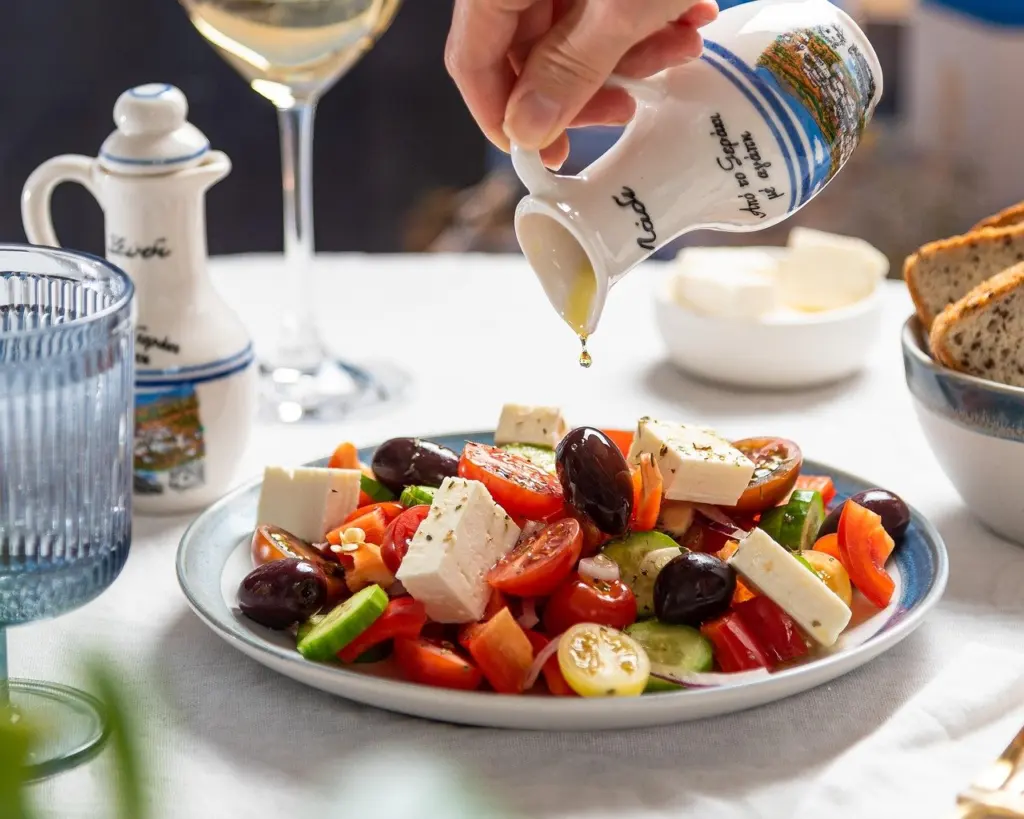
Diet is the lifestyle lever people most expect to matter, and it is covered in depth in our guide to the best foods for brain health. The practical point here is that an eating pattern is a long-term habit, so judge it on whether you can sustain it, not on a single ingredient.

If fatty fish is part of your plan, the separate question of fish oil and brain function is addressed in omega 3 for brain health. Keep the two questions apart: a food pattern is one decision, a concentrated supplement is another.
Curcumin and herbal remedies: promising, but mostly lab evidence
Curcumin, the main active compound in turmeric, is the most searched natural option for brain inflammation, so it deserves a clear verdict. The Frontiers in Nutrition review set out to identify preclinical data on dietary herbal products with anti-neuroinflammatory efficacy, which means animal-model work. That is useful for generating hypotheses, but it does not tell you what a capsule does to cognition or inflammatory markers in a person.
The practical stance follows from that. If you enjoy turmeric in cooking, there is no reason to stop. If you are considering a curcumin supplement to treat suspected brain inflammation, wait for human trial evidence, and discuss it with a clinician if you take medicines or have a diagnosed condition.
Why not just take an anti-inflammatory painkiller?
The same review points out that several NSAIDs cause gastric mucosal and small bowel injuries with long-term use. That is part of why researchers look at dietary alternatives. It is also a reason not to treat over-the-counter anti-inflammatory drugs as a casual daily strategy for brain inflammation, and not to assume a natural product is the safe default either.
Troubleshooting common problems
- You have symptoms and want to confirm inflammation yourself. You cannot do this from symptoms. Arrange a clinical assessment so the actual cause is looked for.
- Your CRP result is normal, or high. Either way, it reflects the body, not specifically the brain. Use it as one piece of context for a clinician, not as an answer.
- You are sleeping poorly despite good habits. Untreated sleep apnea is a recognised amplifier of inflammatory signaling, so ask about it rather than just trying harder.
- You cannot reach the exercise target. Treat the weekly minimum as a destination. Begin with short walks and add time as it becomes routine.
- A product promises to “cool” brain inflammation. Check whether the evidence is from people or from animal models. Most of what is described above for herbs is the latter.
Frequently asked questions
| Question | Answer |
|---|---|
| What causes inflammation in the brain? | An immune reaction to injury, infection, toxins or chronic stress. Microglia, the brain’s resident immune cells, are central to the response. |
| Can I tell from symptoms whether I have neuroinflammation? | No. No symptom belongs to neuroinflammation alone, so a clinician needs to assess the cause. |
| Does a CRP test show brain inflammation? | Not specifically. CRP reflects inflammation in the body generally. |
| Which lifestyle changes lower inflammation? | Regular moderate exercise and adequate sleep have direct support above, including treatment of untreated sleep apnea. |