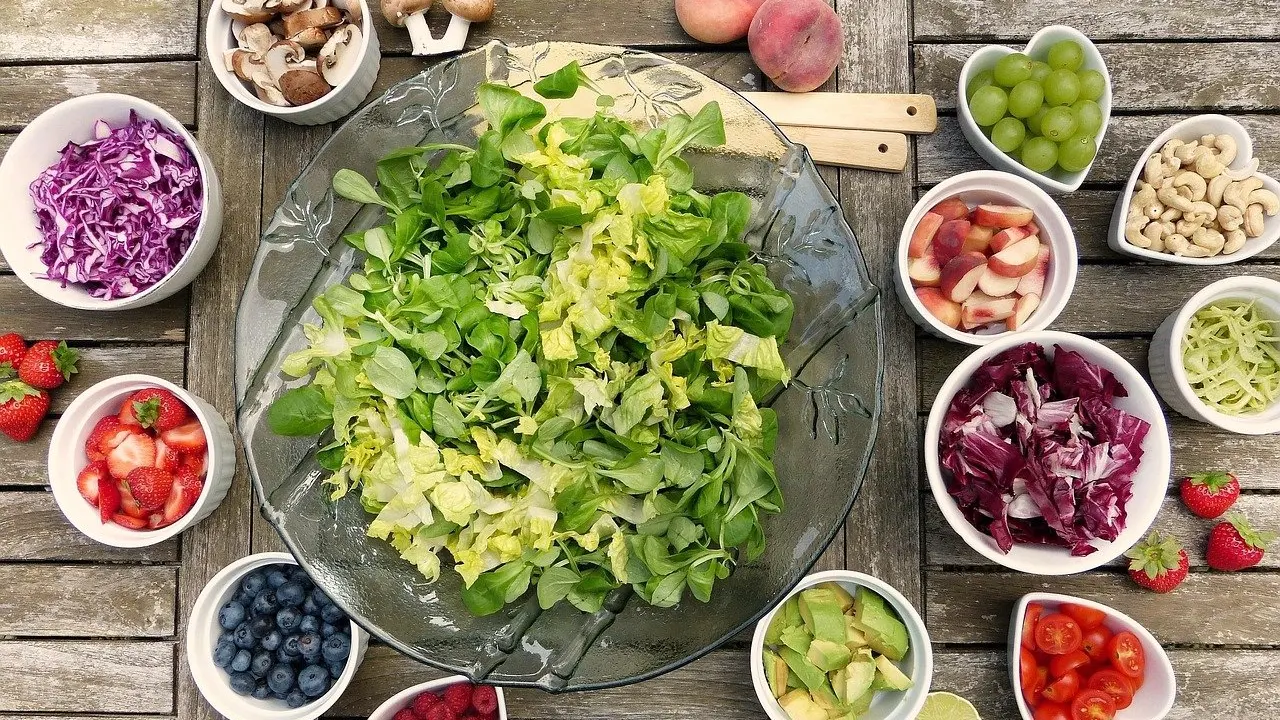
| Reader situation | Food | MIND diet target | Planning use |
|---|---|---|---|
| Breakfasts and snacks | Berries | At least 2 servings per week (1 cup per serving) | Easy to add to breakfast or dessert, so a good first change. |
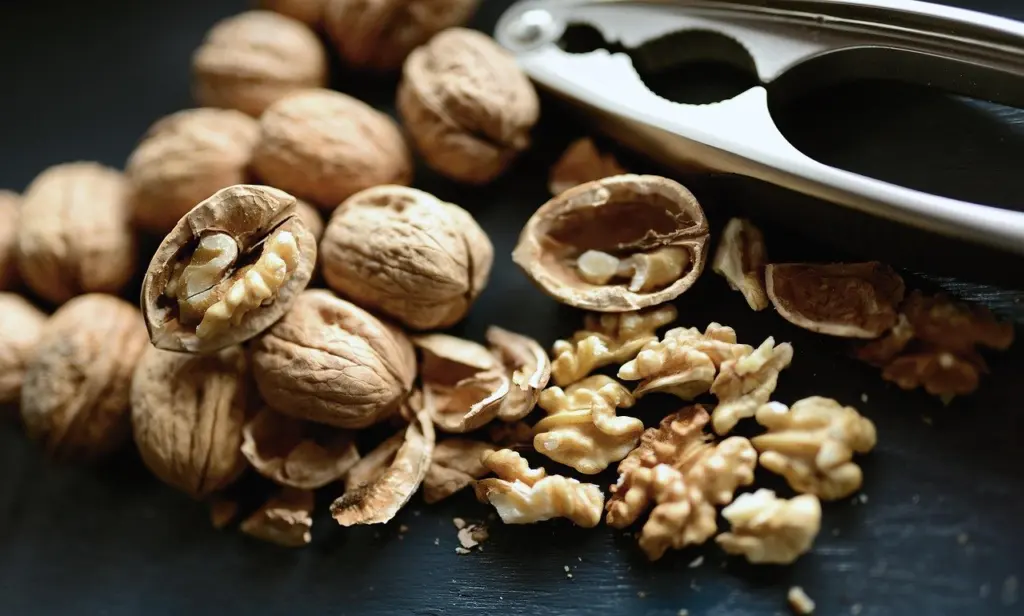
| Breakfasts and snacks | Nuts, including walnuts | At least 5 servings per week (1 ounce per serving) | Keep a portion within reach for snacks. |
| Weeknight dinners | Leafy greens | At least 6 servings per week (1 cup cooked or 2 cups raw per serving) | The largest weekly target, so build greens into most evening meals. |
| Weeknight dinners | Fish, especially oily fish | At least 1 serving per week (3 ounces per serving) | The smallest target and the easiest to meet with one planned meal. |
| Pantry staples | Whole grains | At least 3 servings per day (1 ounce per serving) | A daily target, so swap grains you already eat rather than add new meals. |
| Pantry staples | Olive oil | Use as the primary cooking oil | Replace other cooking oils rather than adding to them. |
| Treats | Dark chocolate | No MIND target | A flavonoid-rich extra, not a core food. |
Targets come from the MIND diet outline summarised by Colorado State University, and the flavonoid point from UK HealthCare.
The best foods for brain health in the MIND diet are leafy greens, berries, nuts, fish, whole grains and olive oil. Treat them as a regular pattern: the evidence points to possible benefit, not guaranteed protection.
Food is one lever among several, so read this list alongside our wider guide on how to support brain health naturally. The sections below group foods by when and how you are likely to eat them, and each one says what kind of evidence stands behind it.
Foods for breakfasts and snacks
Breakfast and snack foods suit people who find dinner planning difficult but can manage small additions. Berries and nuts both fit here, and neither needs cooking.
Berries
Berries are the MIND diet’s fruit priority. The pattern asks for at least 2 servings per week, with a serving being 1 cup, according to Colorado State University. That is a low bar, which makes berries a sensible first habit for someone starting from a typical diet.
The compound link here is flavonoids. UK HealthCare describes dark chocolate as rich in flavonoids and antioxidants, similar to blueberries, which indicates that blueberries are a standard reference point for flavonoid-rich foods. The evidence for berries comes from eating-pattern findings, not from trials of berries alone, so treat them as one good component of a pattern rather than a targeted remedy.
Nuts, including walnuts
Nuts carry a higher weekly target than berries. The MIND pattern calls for at least 5 servings per week, at 1 ounce per serving, as Colorado State University outlines. Walnuts are a natural choice for this slot, and the target does not require one particular nut.
Nuts suit people who snack between meals and want a replacement for something less useful. They are less suited to anyone with a nut allergy, who should leave them out and put more weight on the other food groups. Add them to breakfast bowls or salads if snacking is not your habit.
Foods for weeknight dinners
Dinner is where the two largest savoury targets sit: leafy greens and fish. Planning these two covers a large share of the MIND pattern.
Leafy green vegetables
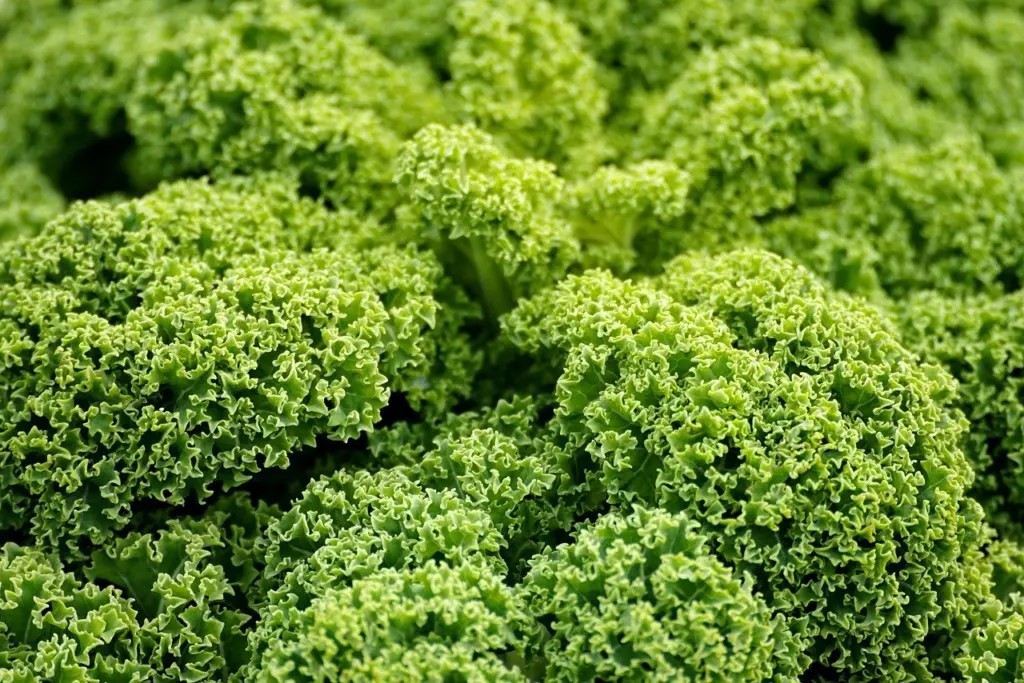
Leafy greens have the biggest weekly target of any MIND food group, at least 6 servings per week. A serving is 1 cup cooked or 2 cups raw, per Colorado State University. Visiting Angels also calls them a hallmark of the MIND diet because of their high nutrient content.
Because cooked greens count more generously per cup than raw ones, wilting spinach or kale into soups, eggs and stir-fries is the practical route for people who do not eat much salad. The evidence is again about the pattern as a whole, so greens are best seen as the anchor of the diet rather than a stand-alone treatment.
Oily fish
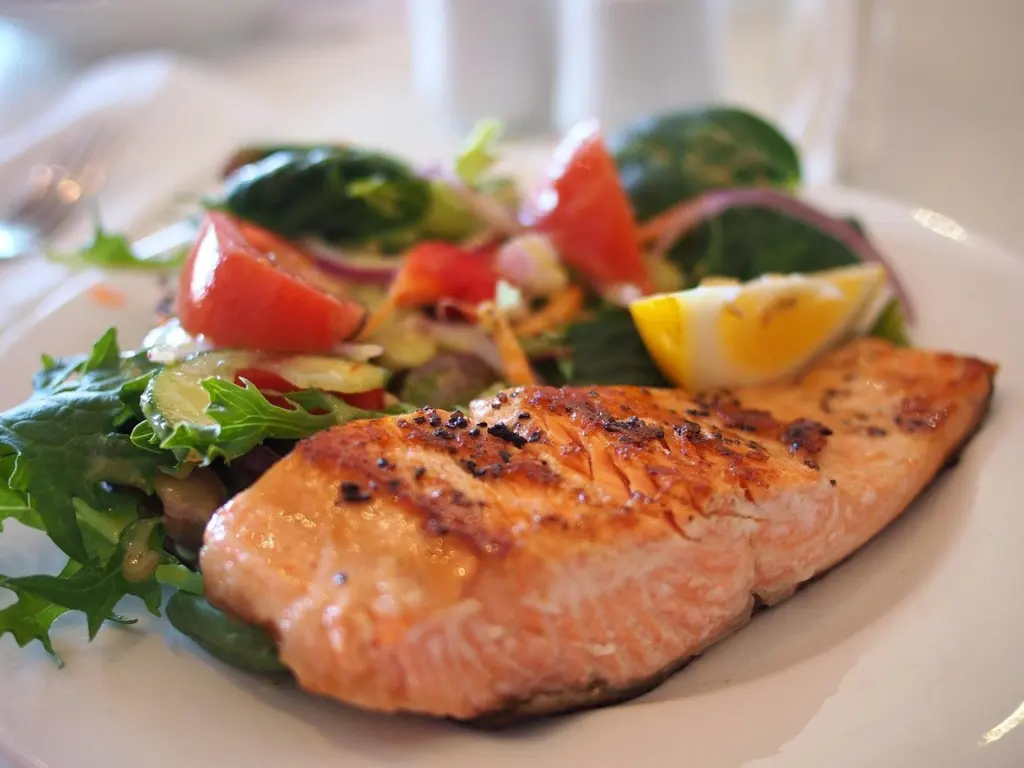
Oily fish is the best-known dietary source of omega-3 fats. Piedmont names sardines, tuna, salmon and mackerel as the fatty fish to choose. The MIND target is modest at 1 serving per week of 3 ounces, as Colorado State University notes.
Sardines add a second point in their favour. Memorial Hermann reports that a half-cup of drained sardines contains an entire day’s recommendation of vitamin B12. Choose salmon if you want a mild, familiar fillet and sardines if you want convenience and the B12 content. Fish is less suitable for people who avoid it entirely, and they should speak to a clinician or dietitian about alternatives.
Pantry staples
Pantry foods matter because they change what you eat every day without extra planning. The MIND pattern makes two such changes: the cooking oil and the grains.
Olive oil
The MIND diet asks you to use olive oil as your primary cooking oil, according to Colorado State University. It is a swap rather than a serving count, which suits people who cook most meals at home. Extra virgin olive oil is a natural fit for dressings and gentle cooking.
Olive oil also links the MIND diet to the Mediterranean diet it draws on. Memorial Hermann notes that populations who follow a Mediterranean diet have lower prevalence of Alzheimer’s disease and dementia. That is a population-level association, so it supports the pattern and not olive oil on its own.

Whole grains
Whole grains have the only daily target in the pattern: at least 3 servings per day, at 1 ounce per serving, per Colorado State University. Because the target is daily, it works best as substitution. Choose a whole-grain option when you would otherwise have bread, pasta, rice or cereal.
This suits people who dislike changing meals but are happy to change ingredients. It is a poor fit for anyone who needs to avoid gluten, who can pick whole grains that suit their diet.
Treats and flavourings
This group contains foods with a plausible compound link but no MIND serving target, so give them lower priority than the core groups above.
Dark chocolate
UK HealthCare lists dark chocolate among its brain foods and describes it as rich in flavonoids and antioxidants, similar to blueberries. That makes it a reasonable occasional choice for people who enjoy it. It should not replace berries, greens or fish, because those carry actual targets in the MIND pattern.
Herbs and spices
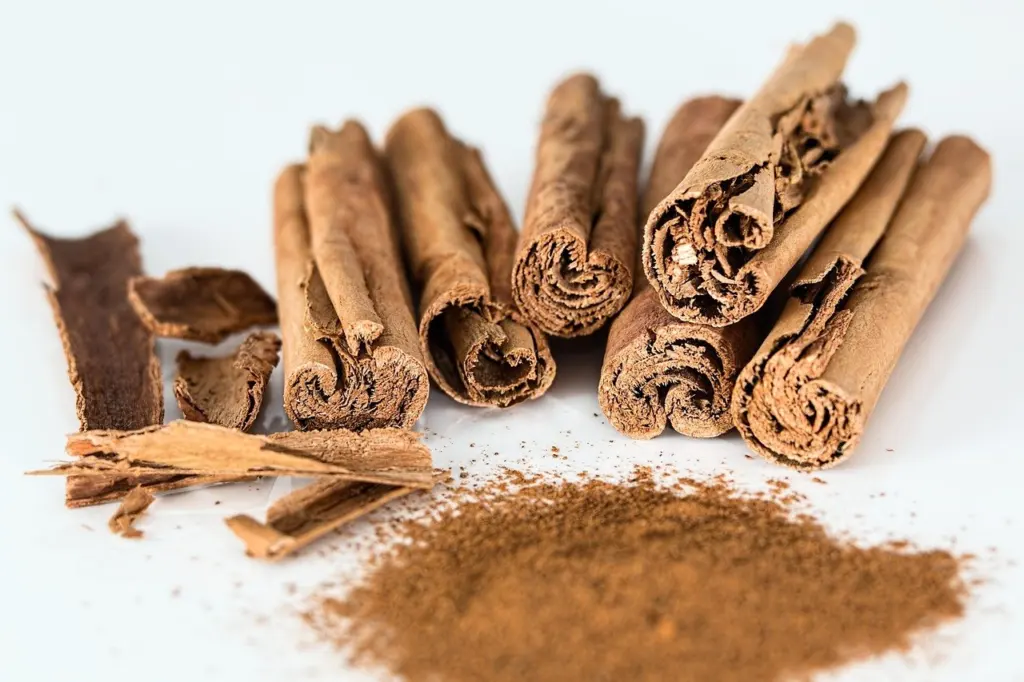
Culinary spices such as cinnamon are easy to add to oats, yoghurt or stews, and they cost nothing in terms of the weekly targets. If you want to go further into herbs and spices, our guide to the best herbs for memory covers them separately from the whole-food pattern here.
What the evidence says about dementia
No food has been shown to prevent dementia on its own. The findings describe patterns: Colorado State University says some studies have shown the MIND diet may reduce the risk of cognitive decline and Alzheimer’s disease, and Memorial Hermann reports lower dementia prevalence in populations following a Mediterranean diet.
Read those results carefully. Wording such as “may reduce” and comparisons between populations show an association between eating patterns and brain outcomes. They do not show that one berry, nut or fish is responsible, and they do not turn a food into a treatment. The most defensible approach is to adopt the whole pattern gradually and keep expectations realistic.
If your interest in diet is partly about inflammation, our guide on how to reduce brain inflammation naturally looks at that angle separately.
Choosing where to start
Start with the group that is closest to what you already eat, then add the next. Use these decision points to pick your first change.
- If you rarely cook: begin with berries and nuts, which need no preparation.
- If you cook most dinners: begin with leafy greens and one planned fish meal each week.
- If you want no extra meals at all: swap your cooking oil and your usual grains for the MIND choices.
The MIND diet is not a restrictive plan. Colorado State University describes it as a dietary pattern, so you can build towards the targets over time rather than overhauling your meals at once.
Frequently asked questions
| Question | Answer |
|---|---|
| Is the MIND diet restrictive? | No. It is described as a dietary pattern rather than a restrictive diet, and foods outside the target groups can still be eaten in moderation. |
| Is the MIND diet the same as the Mediterranean diet? | No. It combines the most brain-healthy foods from the Mediterranean diet and the DASH diet, and it was developed in 2015. |
| Does dark chocolate count toward the MIND targets? | No target is set for it. It is a flavonoid-rich extra that fits alongside the core food groups rather than replacing them. |