The best herbs for memory with human trial support are bacopa, sage and ginkgo, though no herb has been shown to prevent dementia. Bacopa suits healthy adults who take it daily for months; ginkgo shows benefit mainly in people with dementia.
This ranking sits within a wider picture of how to support brain health naturally, where sleep, food and activity come before any supplement. The order below is a judgement based on the human evidence described for each herb, not a guarantee of results.
How the herbs are ranked
A herb ranks higher when people, rather than cells or animals, have been tested on memory outcomes, and when the result held in a group similar to the reader. A herb ranks lower when the evidence is a small trial or a proposed mechanism with little else behind it. The reporting on these herbs, including Mother Earth Living’s review of herbs for memory, makes the same split between healthy adults and people who already have cognitive decline.
- Human trials first. Placebo-controlled work in people counts for more than a plausible mechanism.
- Who was studied. A benefit seen in people with dementia does not automatically carry over to healthy adults.
- Dose and duration. Several herbs have only been tested as standardized extracts taken over time, so the extract form and the length of use matter as much as the herb’s name.
- Safety and interactions. A herb with a known bleeding interaction needs a more cautious recommendation than one with mild side effects.
The herbs, in order of evidence
Bacopa monnieri
Bacopa is the best fit for healthy adults who want to trial a herb for memory. In a trial of 107 healthy adults, participants took either a placebo or a standardized bacopa extract (two 150-mg tablets, so 300 mg a day) for three months. Those who took it faithfully performed significantly better on memory tests, according to Mother Earth Living.
The answer to how long bacopa takes is therefore months, not days. One-time doses do not seem to have an appreciable effect on cognitive function, and overall study results are mixed, with outcomes that may depend on the dose and the duration of treatment. If you try bacopa for memory, use a standardized extract, take it consistently, and judge it only after a full course. Expect a modest effect on memory tests rather than a dramatic change.
Sage
Sage ranks second because several studies in healthy people showed memory enhancement with oral consumption of dried leaf extracts, again reported by Mother Earth Living. That is a real human signal in the group most readers belong to. It suits healthy adults who prefer a familiar kitchen herb.
The limitation is the form. The studies used extracts of the dried leaf, so sprinkling sage on food is not the same intervention, and the evidence does not support a particular amount. Treat sage as a reasonable, low-drama option rather than a proven memory aid.
Ginkgo biloba
Ginkgo has the most mixed record of the herbs here, and the answer depends on who is taking it. In a recent trial of people with dementia, 240 mg a day of a standardized ginkgo extract improved memory and attention, as Mother Earth Living reports. In healthy people, a review of ginkgo studies found no good evidence that it improved mental abilities, according to WebMD.
So ginkgo biloba memory benefits are best described as possible in people with dementia and unconfirmed in healthy adults. It is believed to work by thinning the blood and so improving oxygen flow to the brain. That same blood-thinning action is the reason for the interaction warning covered below. Anyone with a dementia diagnosis should discuss ginkgo with their prescriber before starting it, not instead of treatment.
Gotu kola
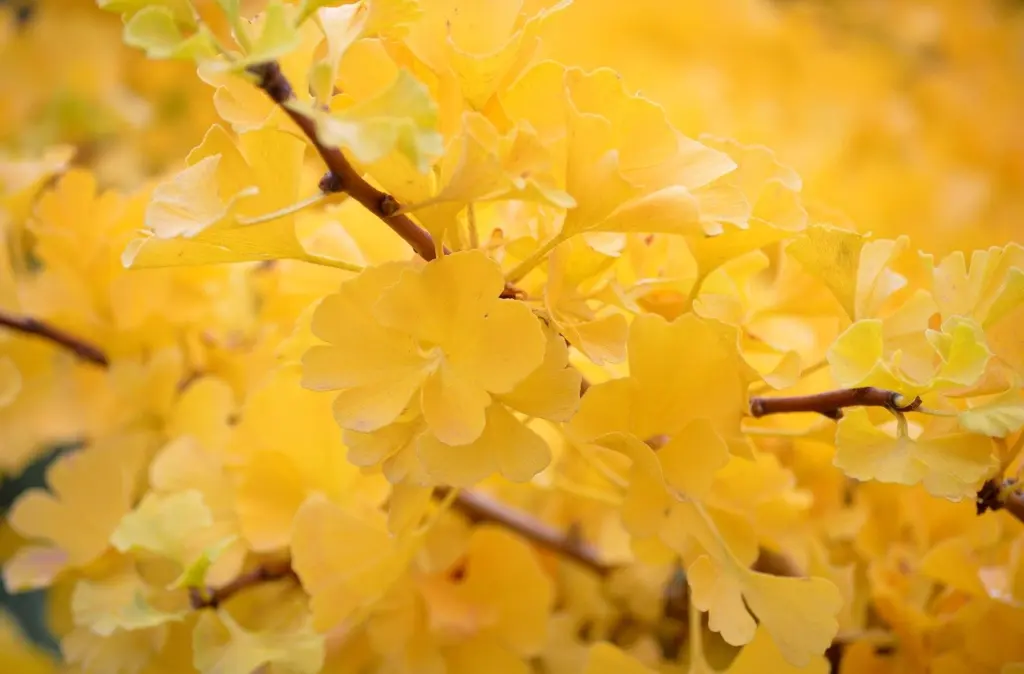
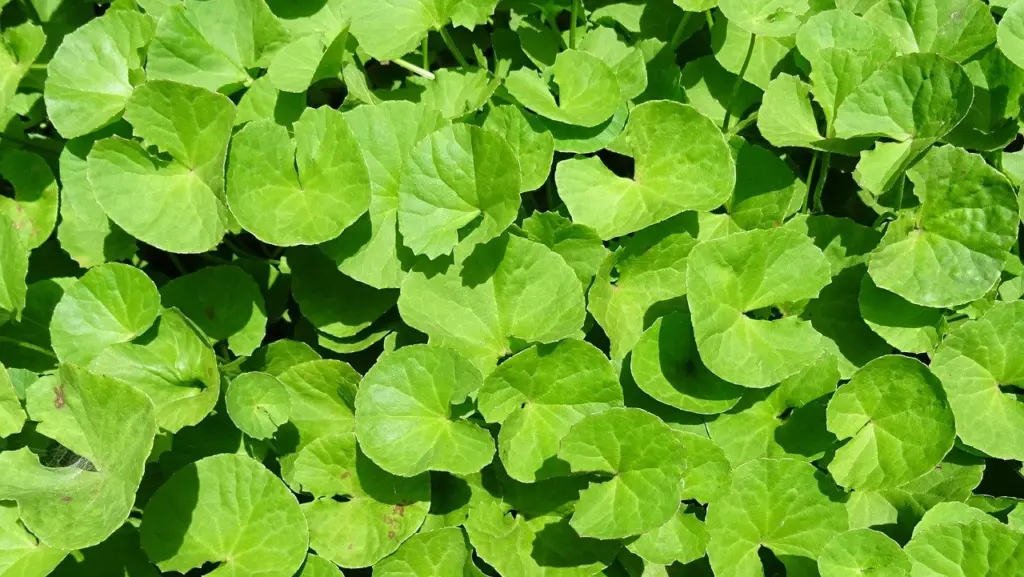
Gotu kola is promising but thinly supported. A gotu kola extract enhanced working memory and improved mood in a group of 28 elderly adults in a 2008 Thai study, as described by Mother Earth Living. That is a human result, but a small one, and it involved older adults rather than healthy younger ones.
Is gotu kola effective for cognition? The honest answer is that early evidence suggests it may help working memory and mood in older adults, and that a single small study is not enough to rank it above bacopa or sage. It suits older adults who are curious and willing to treat it as an experiment.
Huperzine A
Huperzine A ranks last because the case for it rests on mechanism. It is a chemical that inhibits the destruction of acetylcholine and protects nerve cells, as Mother Earth Living describes. Acetylcholine is a signalling chemical central to memory, which makes the idea attractive. A mechanism alone does not show a memory benefit in healthy adults, so this is the option to skip unless a clinician suggests it.
Comparison at a glance
| Herb | Population in the evidence | Trial detail | Main caution | Planning use |
|---|---|---|---|---|
| Bacopa | 107 healthy adults | 300 mg/day standardized extract for three months; benefit in consistent users | Single doses showed no appreciable effect; mixed results | Commit to a full course before judging it |
| Sage | Healthy people, several studies | Oral dried leaf extracts | Studied as extracts, not as a kitchen herb | Reasonable for healthy adults; match the extract form |
| Ginkgo | People with dementia; healthy people reviewed separately | 240 mg/day standardized extract improved memory and attention in dementia | No good evidence in healthy people; bleeding risk with NSAIDs or warfarin | Discuss with a prescriber first; not a healthy-adult pick |
| Gotu kola | 28 elderly adults | Extract improved working memory and mood in a 2008 Thai study | Small evidence base | Treat as exploratory for older adults |
| Huperzine A | Mechanism-led description | Inhibits breakdown of acetylcholine | Mild nausea, diarrhea, dizziness reported | Skip unless advised by a clinician |
Figures are drawn from Mother Earth Living and, for the ginkgo review and bleeding warning, WebMD.
Side effects and drug interactions
Ginkgo carries the most important interaction. Combining ginkgo with NSAIDs or warfarin may cause excessive bleeding, according to WebMD. Anyone taking either type of medicine, or any other blood thinner, should check with a pharmacist or doctor before adding ginkgo.
Huperzine A has a different profile. Some patients report mild nausea, diarrhea and dizziness, as noted by Mother Earth Living. These are mild, but they are a reason to avoid it before a drive or when you are already unwell.
For bacopa, sage and gotu kola, the evidence reviewed here does not describe specific interactions. That is not proof of safety, so tell your prescriber about any herb you take, especially if you use regular medication.
Form, routine and what to pair with a herb
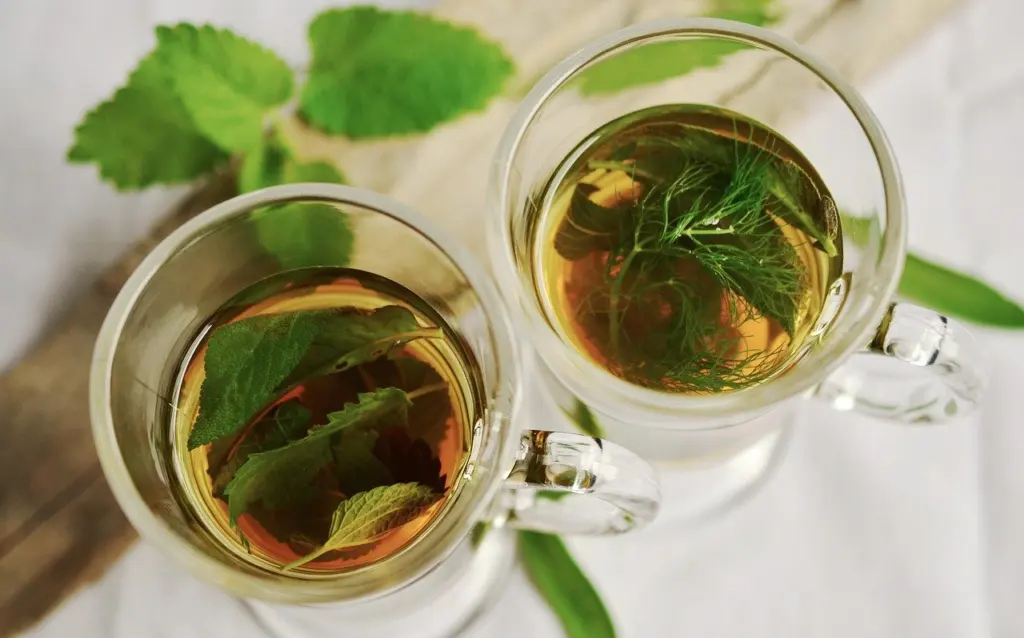
Match the product to the evidence. The bacopa and ginkgo trials used standardized extracts, and the sage studies used dried leaf extracts, so a cup of herbal tea is a different thing from the preparations that were tested. Tea can still be a pleasant habit, but it should not be assumed to deliver the same effect.
Herbs work alongside habits rather than in place of them. Sleep plays an essential role in memory consolidation, and the CDC recommends that adults get at least 7 hours a night, according to Healthline. The same article notes that repeated binge drinking can damage the hippocampus, a brain region that plays a vital role in memory. No herb offsets either of those.
If you want to compare another botanical, see ashwagandha for brain health. For everyday dietary support, the best foods for brain health are a sensible place to start before buying a supplement.
Frequently asked questions
Can any herb prevent dementia?
No. According to Mother Earth Living, no herb has yet been shown to cure dementia or to prevent it from developing. The ginkgo trial involved people who already had dementia, so it speaks to symptoms rather than prevention.
What is acetylcholine and why do herbs target it?
Acetylcholine carries information across synapses, the space between brain cells, as WebMD explains. Huperzine A is of interest because it inhibits the breakdown of this chemical, though that mechanism alone does not prove a memory benefit.
Is herbal tea as good as a standardized extract?
That has not been shown. The trials described here tested extracts, so results from them should not be assumed to apply to tea or culinary amounts.