Planning a sunny holiday and wondering whether a fern capsule can stand in for sunscreen? It cannot. Polypodium leucotomos benefits are supplementary: the extract may add protection from the inside, but sunscreen, clothing and shade still do the main work.
The research is more specific than the marketing suggests. For broader context on healthy aging naturally, this guide separates what the extract has been shown to do from what it is often assumed to do.
Where the extract comes from
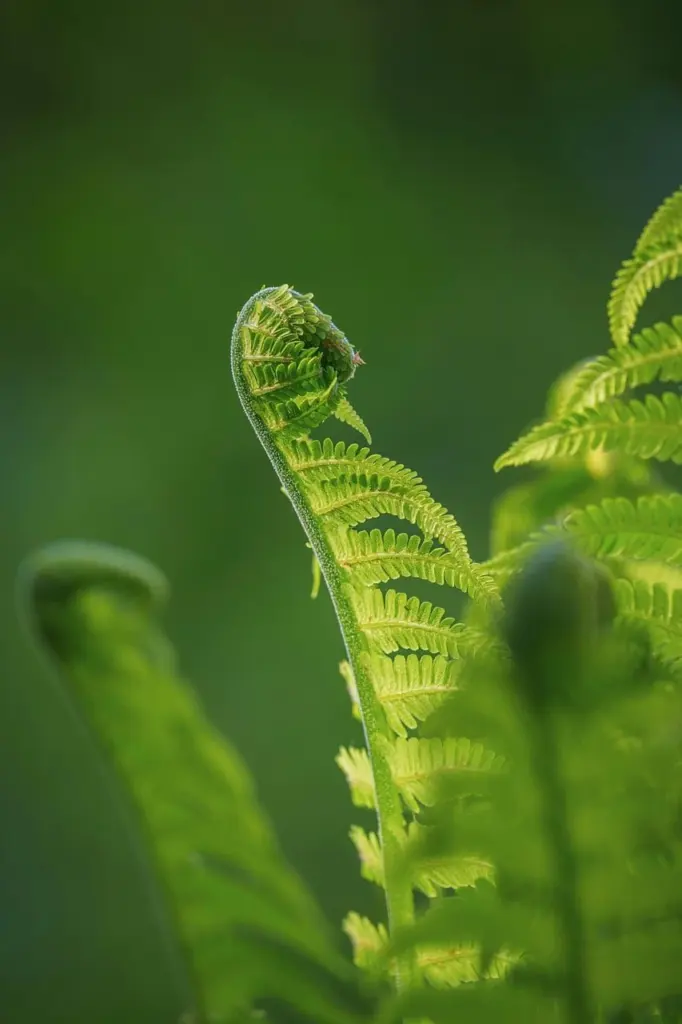
Polypodium leucotomos is a tropical fern native to Central and South America, according to a dermatologist’s overview of the extract. Supplements use a prepared extract of the plant, taken by mouth. This approach belongs to a group called oral photoprotection: ingestible compounds studied for their ability to reduce the damage that ultraviolet radiation does to skin.
The important word is reduce. Ultraviolet radiation drives sunburn, photoaging and several light-triggered skin conditions, and an oral extract works on the skin’s response to that radiation. It does not block the radiation the way a physical or chemical filter on the skin surface does. Most misunderstandings about the extract start from treating those two jobs as the same.
Common misunderstandings at a glance
| Common belief | What the evidence supports | Planning use |
|---|---|---|
| Fern extract replaces sunscreen | It should not replace broad-spectrum sunscreen, protective clothing or shade | Keep every conventional measure in place and treat the capsule as an add-on |
| It treats vitiligo on its own | Its use should complement, not replace, conventional treatments | Discuss it with the clinician managing the condition rather than substituting it for therapy |
| Natural means tested for everyone | It has not been clinically tested in children under 18, pregnant women or breastfeeding mothers | Those groups should seek medical advice before using it |
| Protection is open-ended | Oral dosing is described as giving hours of protection against sunburn | Treat the effect as time-limited and keep topical and physical protection going |
These statements come from the Vitiligo Research Foundation’s guidance on the extract and from the dermatologist’s overview cited above.
What the research supports
The supported benefits sit in three areas: acute sun damage, long-term light-related change and pigment disorders. The evidence is stronger for some than for others, and reviews tend to use cautious language such as “may”.
Sunburn and UV damage
Sunburn is the best-known target. The Vitiligo Research Foundation describes orally administered extract as providing hours of protection against sunburn (erythema). The same page lists the likely mechanisms:
- Free radical scavenging. The extract neutralises reactive oxygen species, the unstable molecules that ultraviolet exposure generates in skin.
- Sunburn cell reduction. It minimises UV-induced damage, seen as fewer sunburn cells.
- DNA protection. It inhibits the formation of UVB-induced cyclobutane pyrimidine dimers, a type of DNA damage linked to cancer.
Together these explain why the extract is called photoprotective. They also show its limit: it reduces cellular damage after radiation reaches the skin, so sunscreen still keeps much of that radiation from arriving. People who burn easily should read the findings as a reason to add the extract to sunscreen, never to drop it.
Photoaging and light eruptions
A dermatology review indexed by Weill Cornell reports that orally administered Polypodium leucotomos may protect against the photoaging effects of sunlight. It also says the extract can help reduce the frequency and severity of polymorphous light eruption, a rash some people develop after sun exposure. Both claims are worded as possibilities. They suit readers with a recurring sun-triggered rash or an interest in long-term skin ageing, who should discuss them with a dermatologist rather than treat them as guaranteed outcomes.
Pigment conditions
The same review states that oral extract significantly improved the severity of melasma in women after 12 weeks. For vitiligo, it describes three randomized, double-blind, placebo-controlled studies reporting significant improvements. According to the Vitiligo Research Foundation, results were most pronounced in lighter skin tones (Fitzpatrick types II and III) and on the head and neck. These findings concern pigment, not sunburn prevention, so they do not show that the capsule protects against burning on a beach day.
Doses in trials
The clearest dose in the supplied evidence comes from vitiligo research. The Vitiligo Research Foundation reports that patients combined 250 mg of extract three times daily with narrowband UVB phototherapy twice weekly over six months. Those patients were treated for pigment loss in a supervised programme.
That regimen should not be copied as a sunburn-prevention dose. It was one arm of a medically supervised therapy, and the phototherapy was part of the treatment. A reader who wants the extract for sun protection should ask a clinician how a product’s labelled amount compares with what was studied.
Heliocare and other supplements
Heliocare is a branded supplement that contains Polypodium leucotomos extract; the Vitiligo Research Foundation lists it, along with Calaguala, among widely available products containing the extract. The fern extract is therefore the active botanical, and Heliocare is one way of buying it.
Heliocare ingredients and amounts can differ between products and formulations, so the label is the reliable place to check both the extract amount and any other components. Do not assume that every fern-extract capsule matches the formulation used in a trial.
Side effects and who should wait
The review indexed by Weill Cornell states that no adverse events have been associated with the use of Polypodium leucotomos. That is encouraging, but it is a statement about the studies reviewed, not a guarantee for every person or product.
- Children and teenagers. The extract has not been clinically tested in children under 18, so there is no trial basis for giving it to them.
- Pregnancy and breastfeeding. It has also not been clinically tested in pregnant women or breastfeeding mothers. Waiting, or asking a clinician first, is the sensible position.
- People on treatment. Anyone using phototherapy or other skin treatment should tell the treating clinician about the supplement, because the research frames the extract as complementary.
Using it alongside sun protection
The extract belongs after the basics, not instead of them. The dermatologist’s overview says oral supplements should not replace traditional sun protection methods such as broad-spectrum sunscreen.
- Sunscreen stays first. It remains the primary tool because it acts on the skin surface, where the extract does not.
- Clothing and shade stay in play. The same guidance names protective clothing and shade as measures the extract should not displace.
- The extract suits an add-on role. It makes most sense for people who already follow the basics and want an extra layer, ideally after talking to a dermatologist.
Other single-compound topics in the same area include benfotiamine benefits in glycation research and allspice health benefits in antioxidant research. Each is a different mechanism from the photoprotection discussed here.
Frequently asked questions
| Question | Answer |
|---|---|
| What does oral photoprotection mean? | It describes supplements taken by mouth that help skin cope with ultraviolet radiation. They add to topical sunscreen and physical cover rather than replacing them. |
| How were the vitiligo trials designed? | The Weill Cornell-indexed review describes three randomized, double-blind, placebo-controlled studies in which the extract was combined with psoralens plus UVA or with narrowband UVB phototherapy. The extract was an add-on to phototherapy, not a standalone treatment. |
| What should I check on a fern-extract label? | Look for the amount of extract per serving and for any other ingredients. That lets a clinician compare the product with the doses used in research. |