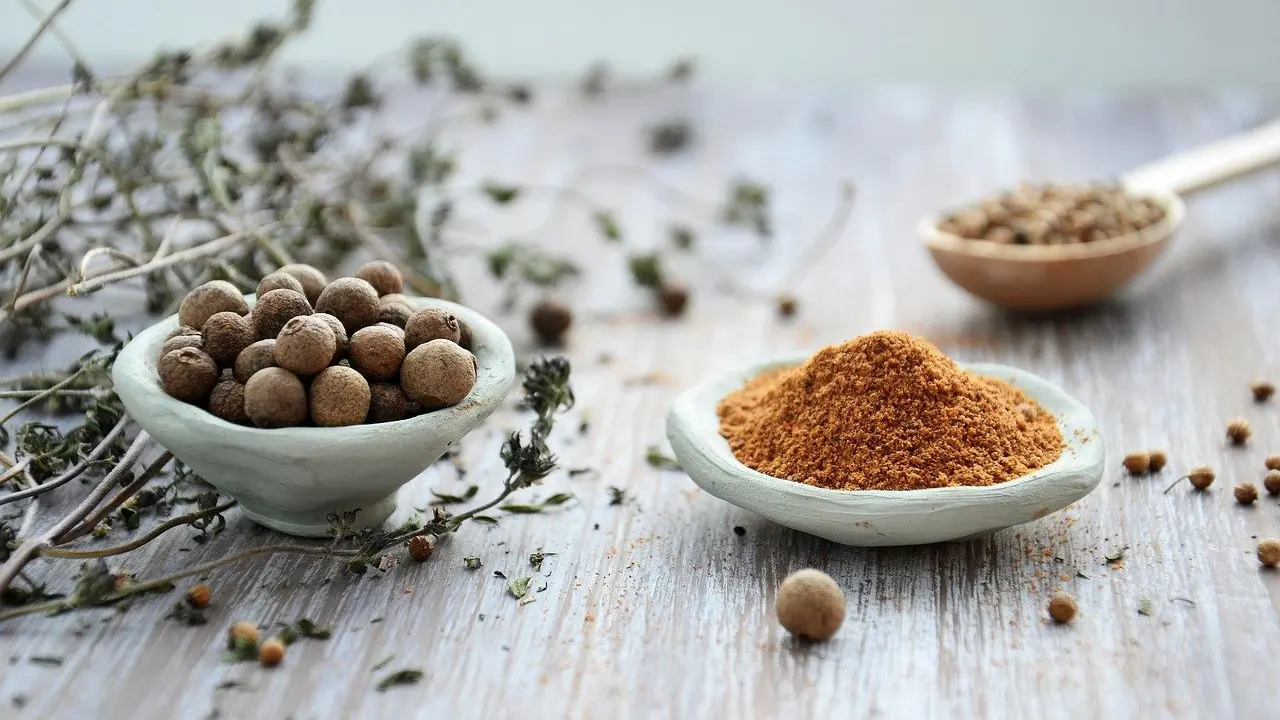
| Reader situation | What allspice offers | Evidence label | Planning use |
|---|---|---|---|
| Checking what is in the jar | A single pea-sized berry of an evergreen tree, not a blend. The flavour evokes nutmeg, cloves and cinnamon. | Composition fact | Treat it as a one-ingredient spice and read blend labels separately. |
| Cooking | Whole berries suit slow-cooked stews, braises, mulling and pickles. Ground allspice is more intense. | Culinary guidance | Choose whole for long cooking and ground for quick, stronger flavour. |
| Drinking it as tea | Whole berries are simmered gently in the beverage of your choice. | Preparation method | Use it as a flavouring for a warm drink, not as a dose. |
| Interested in plant compounds | Eugenol occurs in the berries, the leaves and in cloves. | Composition fact; effect in people not shown | Enjoy the spice for flavour and do not rely on it as an anti-aging measure. |
Berry form, flavour and cooking guidance come from a spice producer’s allspice guide, and the eugenol point comes from an ingredient profile of allspice.
The allspice health benefits worth planning around are practical ones: a single-ingredient spice, an aromatic compound called eugenol, and easy use in cooking and tea. Anti-aging effects in people should be treated as unproven.
For the wider picture of diet and lifestyle choices, see our guide to healthy aging naturally, where allspice is one small kitchen ingredient among many.
Understanding what allspice is
Allspice is one botanical ingredient with a name that sounds like a mix. Knowing that makes every later claim easier to judge, because the compounds and cautions below belong to a single plant product.
A single berry, not a blend
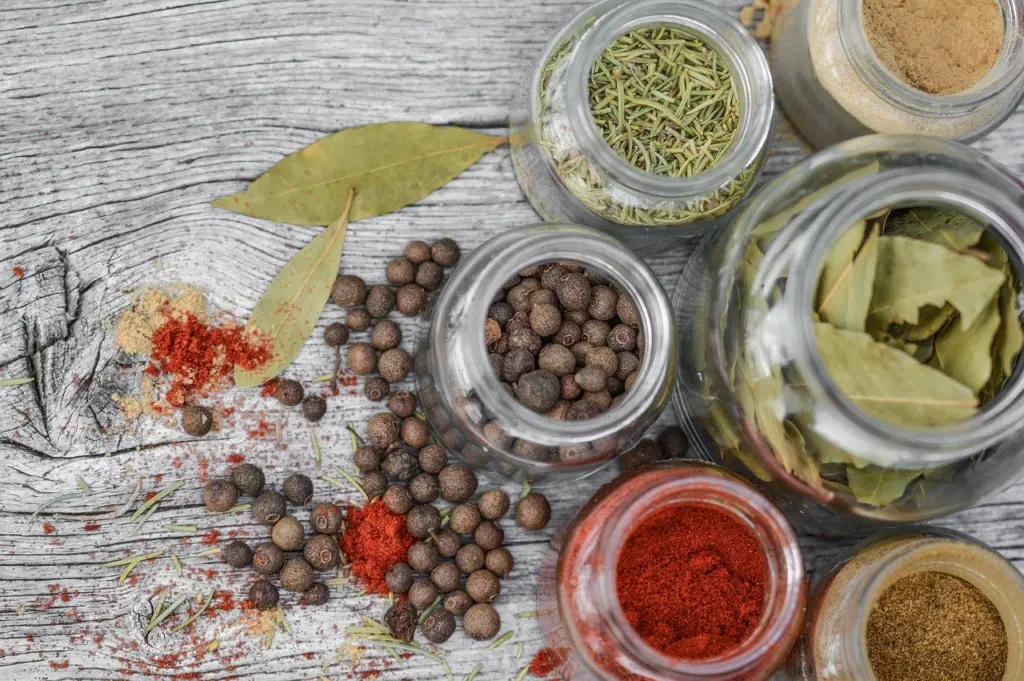
Allspice is not a blend of other spices. It is the pea-sized berry of an evergreen tree. The name comes from its flavour, which evokes nutmeg, cloves and cinnamon, so a jar labelled allspice contains one ingredient and nothing else is mixed in to create that taste. That answers the common question of what allspice is made of.
Pimenta dioica and its origin
The botanical name is Pimenta dioica. The spice is made from the dried berries of the Pimenta tree, which is native to Central America and the Caribbean. The same tree supplies the leaves and berries that later sections mention, and the oil discussed near the end of this guide comes from the berries too.
Where you meet it in packaged food
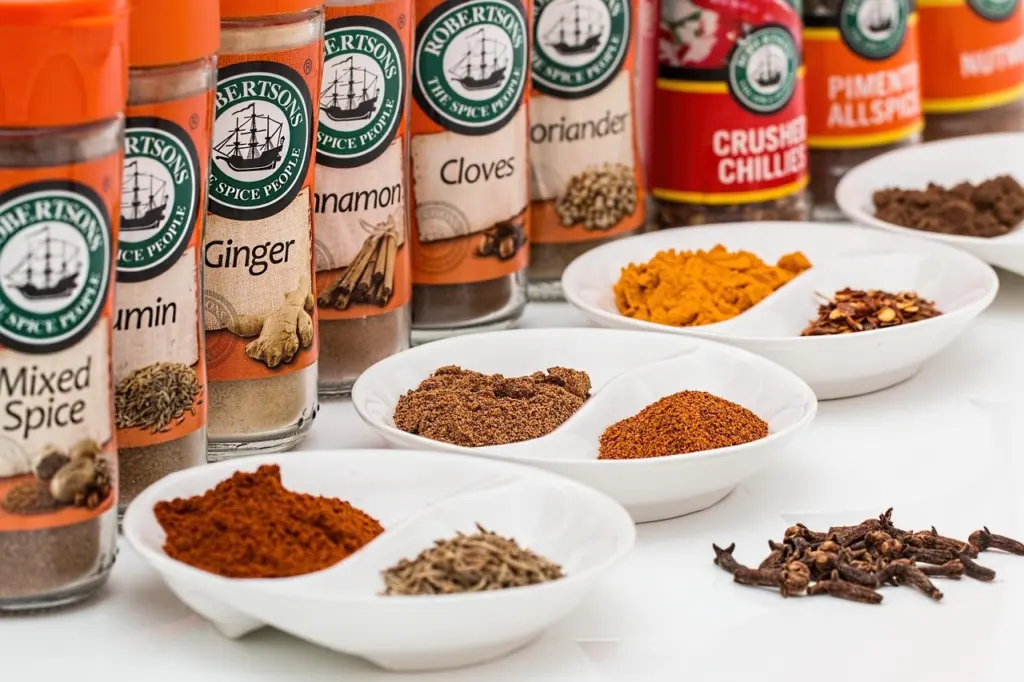
Allspice turns up inside other products as well. It is a common ingredient in bakery, tomato ketchup and pickling spice blends in the United States. If you are trying to judge how much allspice you actually eat, a blend label tells you less than a jar of the plain spice, because the proportion inside a blend is not shown.
Cooking with allspice
Cooking is the most sensible home for allspice. The choice between whole and ground berries matters more than any precise measurement.
Whole berries for slow cooking
Whole berries are the better choice when a dish simmers for a long time. The producer guidance recommends whole berries rather than ground allspice for slow-cooked stews, braises, mulling and pickles. They release flavour gradually, and they suit anyone who wants a gentle background note rather than a sharp spice hit.
- Best for: stews, braises, mulled drinks and pickling liquids where the spice cooks for a while.
- Limit: whole berries are not pleasant to bite into, so plan to leave them in the pot rather than serve them.
Ground allspice for quick flavour
Ground allspice is the quicker option and the stronger one, because ground spices are more intense than whole berries. It suits baking, sauces and marinades where the spice is stirred in and not removed. Because of that intensity, start low and taste before adding more.
How much is reasonable
Culinary guidance points to restraint: use it sparingly in marinades, meats, desserts and sauces so it does not overpower other ingredients. That is a flavour rule, and it also keeps intake modest. Large amounts of allspice can cause gastrointestinal discomfort, including nausea, vomiting or diarrhoea. A small pinch in a recipe is therefore the sensible ceiling for everyday use, and a larger quantity should not be treated as a way to get more benefit.
Making allspice tea
Allspice tea is a simple simmered drink, and the main decision is how to keep it pleasant and low-risk.
A simple simmered method
Whole berries are the form to use. They can be added whole to simmering stews and teas, and the producer’s advice is to simmer it gently in your beverage of choice. In practice that means you add the berries to the liquid, keep it at a gentle simmer and taste as it goes. The cinnamon stick that often sits beside a mug of allspice tea echoes the spice’s own flavour.
Is allspice tea safe
Allspice tea is a reasonable choice for most people when it is made as a flavoured drink with a modest amount of spice. The caution that applies is the one for large intakes, which may upset the stomach. Anyone who is pregnant, has allergies or takes regular medication should treat tea as a food question and check with a clinician before drinking it often. The benefit of tea is best described as flavour and comfort. No tea-specific health effect should be assumed from the compounds in the berries.
Compounds and anti-aging claims
This is the section where evidence labels matter most. Knowing which compound is present is a different matter from knowing what it does in a person.
Eugenol in the berries and leaves
Eugenol is the aromatic substance usually named for allspice. The leaves contain the same aromatic substance as the berries, eugenol, which is also found in cloves. Evidence label: composition fact. It explains the clove-like note in the flavour, and it explains why allspice is often grouped with other eugenol-containing spices.
Antioxidant and glycation claims
Antioxidant and anti-glycation claims for allspice generally describe how extracts behave in laboratory conditions. A compound’s presence in a spice does not show that eating the spice changes antioxidant status or glycation in the body. The sensible stance is to treat these claims as laboratory-stage until human trials show an effect from normal food amounts. Evidence label: laboratory-stage, not established for people.
Anti-aging and senescence
Anti-aging language around spices usually points to cellular processes. If you want that background first, start with what is cellular senescence and how it relates to aging. For a different plant extract that is discussed in terms of skin and inflammation research, see our piece on polypodium leucotomos benefits.
- Single-ingredient spice: supported composition fact.
- Eugenol present: supported composition fact.
- Flavour and culinary versatility: supported by cooking guidance.
- Antioxidant or glycation effect in people: unproven, so do not base choices on it.
- Slowing aging: unproven, so treat as a bonus of enjoying food, not a reason to eat more.
Allspice alongside clove and cinnamon
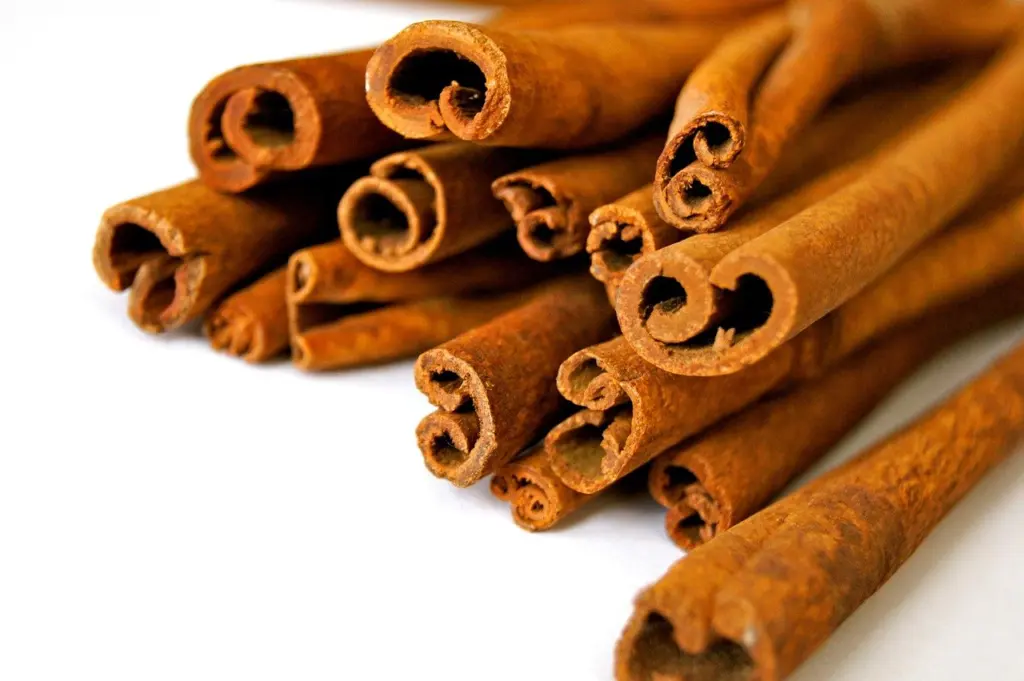
Clove is the clearest relative in chemistry terms, since eugenol is shared. Allspice also evokes nutmeg, cloves and cinnamon in flavour, which is why it fits sweet and savoury dishes alike. For cooks, one jar of allspice can stand in for that rounded warmth in a recipe. A swap is a flavour decision only. Matching taste does not mean matching compound content, so do not assume one spice has the same effects as another.
Using allspice essential oil
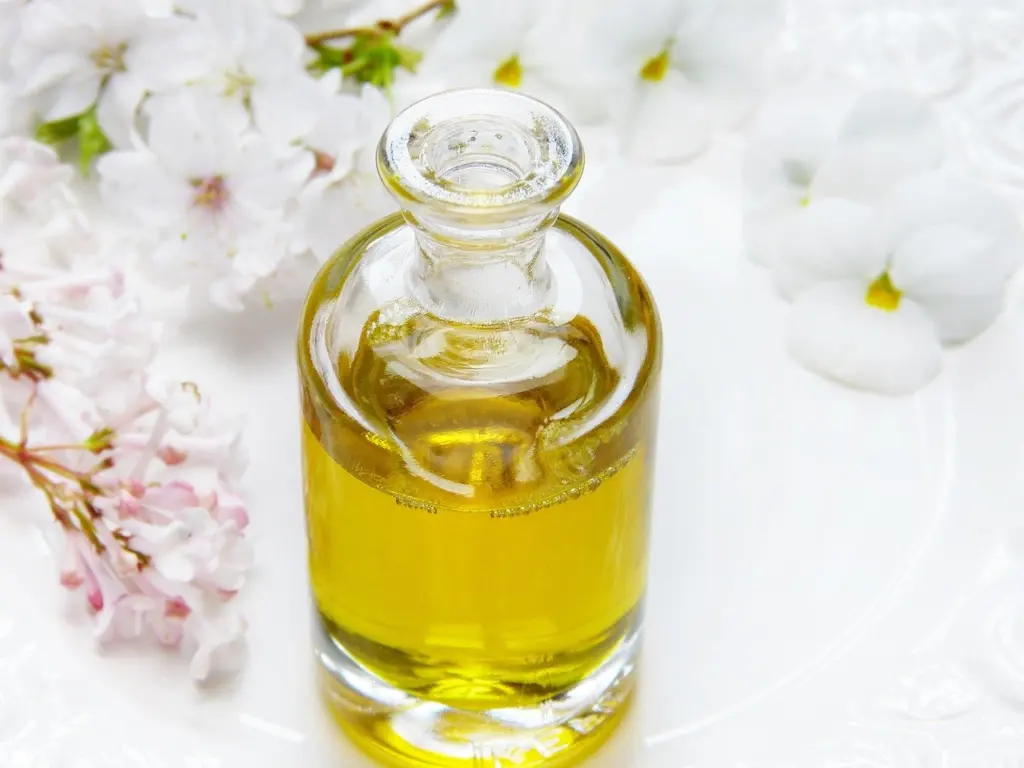
The essential oil is a separate product from the kitchen spice and carries its own precautions. It is best treated as an aromatic or topical product, not as a culinary substitute.
What the oil is
Allspice essential oil is derived from the dried berries of the Pimenta dioica plant. It is the same plant as the culinary spice, concentrated into an oil, so the cautions for the oil should not be read across to a pinch of spice in a casserole, or the reverse.
Precautions before skin use
The oil should always be diluted with a carrier oil before it touches the skin. Use is advised against during pregnancy and for people with sensitive skin or allergies. A further reason for care is that the oil can cause skin sensitivity or dermatitis in some people when applied topically. If you are curious, choose a diluted product, test a small area first and stop at any sign of irritation.
Frequently asked questions
| Question | Answer |
|---|---|
| Is allspice a mix of several spices? | No. It is one berry from one tree, and its taste simply resembles a mix. |
| Is allspice tea safe to drink? | As a lightly spiced drink, it is generally reasonable. Strong or frequent intake is not advisable, and pregnant people or those with allergies should ask a clinician first. |
| Can allspice essential oil go straight onto skin? | No. It needs a carrier oil, and people with sensitive skin or allergies, or who are pregnant, are advised to avoid it. |
| Does allspice slow aging? | That is not established. Eugenol is present, but no benefit for aging in people has been shown from eating the spice. |