For phytochemicals cancer prevention, whole plant foods have the strongest footing. Cell studies describe plausible mechanisms, but human trials of isolated compounds have not shown benefit. Choose varied vegetables, fruit, tea and spices rather than supplements.
This overview sorts the main plant compound groups by mechanism and by how much human evidence exists. It is a map into the wider natural health and cancer prevention research hub. The groups are not ranked by expected benefit. They are ordered by how much human trial data exists, because that is the fairest comparison the evidence allows.
How phytochemicals act on cells
Phytochemicals are part of a plant’s own immune system. According to UCLA Health, they help protect the plant from viruses, bacteria, fungi and parasites. A peer-reviewed review in the Journal of Cancer classifies them by chemical structure into carotenoids, organosulfur compounds and phenolics. Polyphenols belong to the phenolic group.
Chemoprevention means hindering cancer development before disease is established. UCLA Health describes phytochemicals as acting this way by preventing DNA damage.
Antioxidant and DNA-protection effects
The National Cancer Institute explains the underlying problem: free radicals are highly reactive chemicals that can damage DNA, proteins and cell membranes at high concentrations. Antioxidant activity is the most commonly cited route by which plant compounds could limit that damage. It is a mechanism, not proof that eating a given food lowers cancer risk.
Cell-death and growth effects in the lab
Laboratory work goes further. In preclinical breast cancer cell studies, combinations of phytochemicals reduced proliferation, migration and invasion, and induced cell cycle arrest and apoptosis (programmed cell death), as the Journal of Cancer review reports. The same review describes clinical trials of phytochemicals in cancer treatment as nascent. Treat these findings as leads for research, not as advice about what to eat.
Plant compound groups, from most to least trial evidence
Each group below is judged on three points: how well the mechanism is described, what human trials show, and which foods supply it. Carotenoids come first only because they have been tested most directly in people, and the results are a caution rather than an endorsement.
Carotenoids: beta-carotene and lycopene
Carotenoids suit anyone looking at colorful vegetables. Roswell Park Comprehensive Cancer Center lists beta-carotene and lycopene among them, found in cooked tomatoes, orange squash, carrots, sweet potatoes and green plants.
The trial record applies to supplements, not to those foods, and it is the most cautionary in the field. The National Cancer Institute’s antioxidants fact sheet reports these results:
- Male smokers: 20 mg/day of beta-carotene for 5 to 8 years was linked to a higher incidence of lung cancer.
- High-risk people (CARET): 15 mg beta-carotene plus 25,000 IU retinol daily raised lung cancer risk and deaths from all causes, and the trial ended early.
- Physicians’ Health Study I: 50 mg every other day for 12 years had no effect on cancer incidence, cancer mortality or all-cause mortality in smokers or non-smokers.
The practical reading is simple. Get carotenoids from food, and avoid high-dose beta-carotene pills, particularly if you smoke.
Sulforaphane and glucosinolate-related compounds
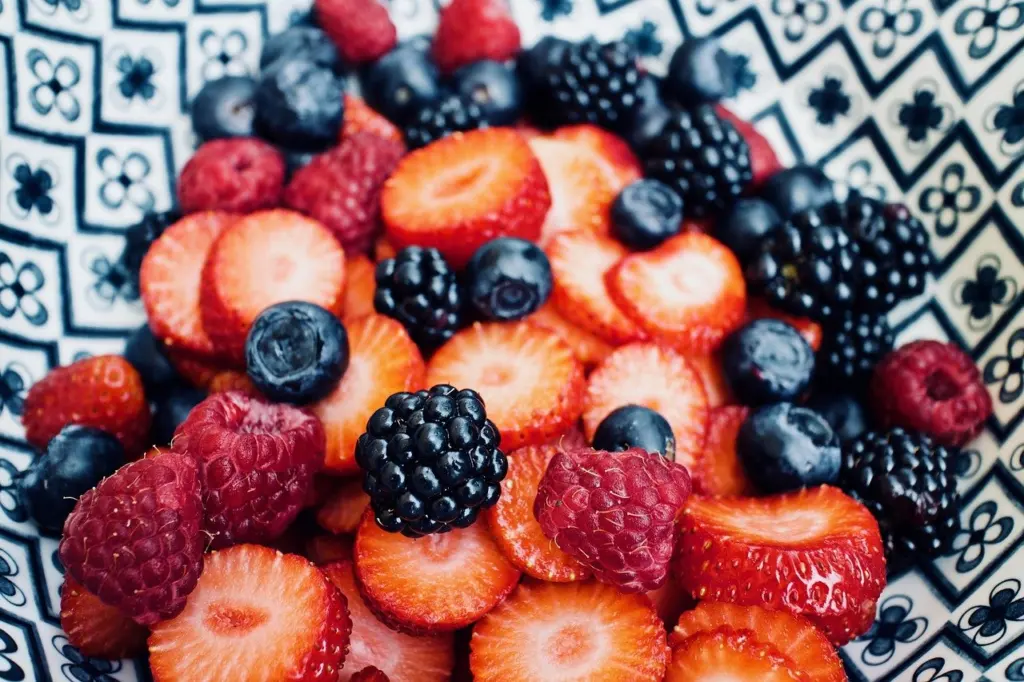
Sulforaphane is the isothiocyanate most associated with glucosinolates in cruciferous vegetables. Roswell Park names broccoli, cauliflower and kale as sources. This group suits people who want a specific vegetable family to build into regular meals. The limit is that the supporting evidence is about plant-based eating patterns and laboratory mechanisms, not trials of sulforaphane taken on its own.
Flavonoids and other polyphenols
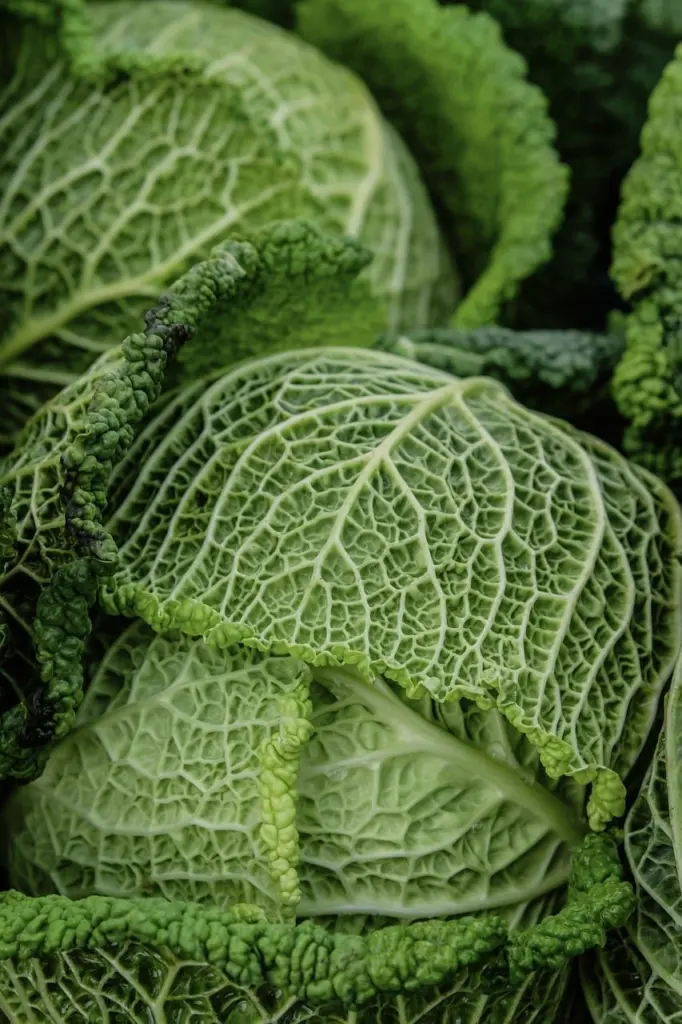
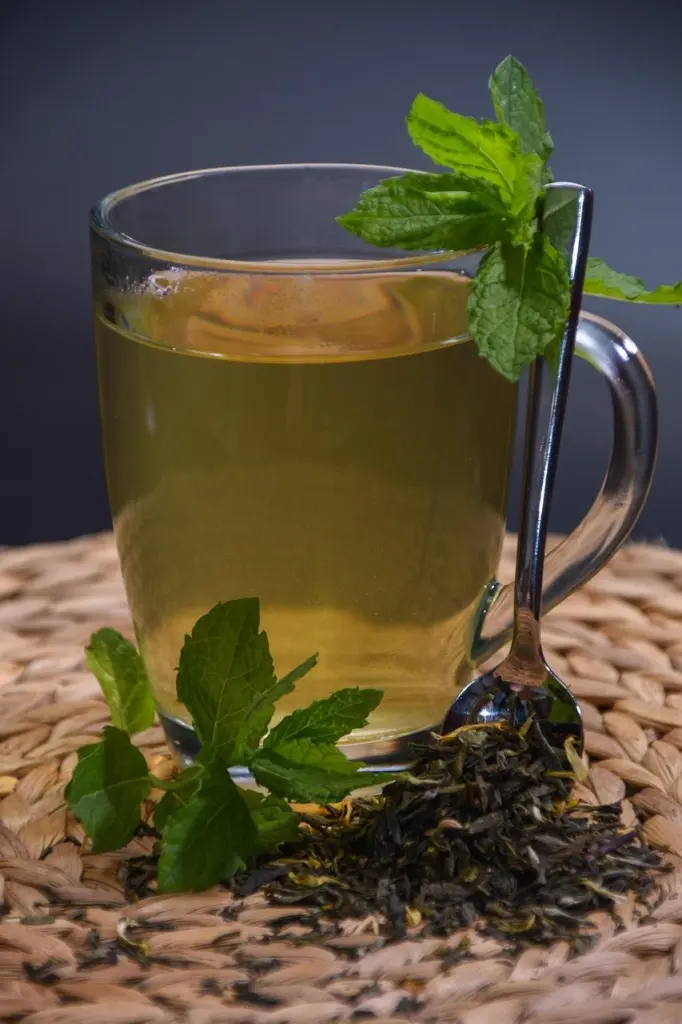
Flavonoids are the polyphenols most often discussed in food terms. Roswell Park lists berries, apples, citrus fruits, soybeans, coffee, tea, walnuts and whole grains as sources. Because the foods are so ordinary, this group is the easiest to include without changing how you eat. Its limit is the same as the others: no single polyphenol has conclusive evidence of lowering cancer risk.
Curcumin from turmeric
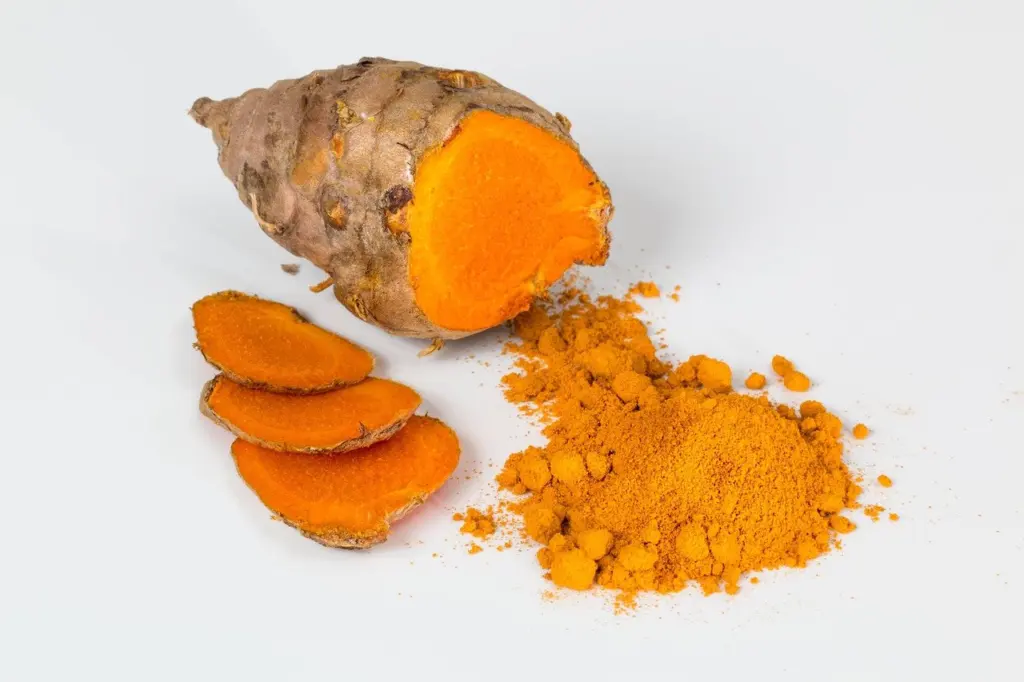
Turmeric is a spice, so it fits cooking more naturally than supplement shopping. Curcumin has enough of its own research to need separate treatment, which is covered in the guide to curcumin cancer prevention.
How cell findings differ from human outcomes
Lab results show what a compound can do in a dish. They do not show what a diet does in a person. Roswell Park notes that much of the current evidence comes from observing people who eat mainly plant-based diets, and that is why it cannot isolate one compound.
When researchers moved to supplements, the National Cancer Institute found that observational antioxidant studies gave mixed results. Nine randomized controlled trials of dietary antioxidant supplements for cancer prevention have been conducted worldwide, and they did not provide evidence of benefit in primary cancer prevention. That is a firm conclusion about supplements. It is not a verdict on vegetables and fruit. For product-level detail, see the guide to supplements that may help prevent cancer.
Whole foods versus isolated compounds
Whole foods and purified compounds may behave differently in the body. The National Cancer Institute points to differences in the effects of antioxidants consumed as purified chemicals as opposed to in foods as a possible reason trial results diverged from earlier observations. Roswell Park similarly says that phytochemicals in supplement form may not provide the same benefits as the whole plant foods.
The sensible conclusion is to favor the food. A whole vegetable delivers many compounds together, and the trial record gives no reason to swap that for a single concentrated one.
Phytochemical groups compared
| Group | Example compounds | Food sources | Human evidence | Planning use |
|---|---|---|---|---|
| Carotenoids | Beta-carotene, lycopene | Cooked tomatoes, orange squash, carrots, sweet potatoes, green plants | Supplement trials showed higher lung cancer risk in smokers and high-risk groups, and no effect in Physicians’ Health Study I | Eat the foods; avoid high-dose beta-carotene pills |
| Isothiocyanates | Sulforaphane | Broccoli, cauliflower, kale | Observed through plant-based diets; no single compound proven | Include cruciferous vegetables regularly as whole foods |
| Flavonoids (polyphenols) | Flavonoids as a class | Berries, apples, citrus fruits, soybeans, coffee, tea, walnuts, whole grains | Observed through plant-based diets; supplements may not match whole foods | Vary fruit, tea and whole grains rather than choosing one |
Food sources and the general evidence comment come from Roswell Park, and the supplement trial results come from the National Cancer Institute.
Putting the evidence into everyday eating
The American Institute for Cancer Research recommends a mostly plant-based diet for cancer prevention, as Roswell Park reports. That is the most defensible takeaway from this field. Roswell Park also states that no conclusive evidence shows any one specific phytochemical is guaranteed to reduce cancer risk, so the aim is breadth, not a single star ingredient.
A varied pattern covers each group naturally. Orange and red vegetables supply carotenoids, cruciferous vegetables supply sulforaphane, and fruit, whole grains and tea supply flavonoids. If you already drink tea or coffee, you are using a listed flavonoid source and need not add anything.
Frequently asked questions
How many phytochemicals can a single food contain?
Roswell Park notes that a carrot alone holds more than 100 phytochemicals, which is one reason whole foods are hard to replicate with a single supplement.
Which cancers appear in chemoprevention research on phytochemicals?
UCLA Health cites research supporting phytochemicals as chemoprevention for several cancer types, including breast, cervical, colorectal, leukemia and prostate cancer. That research does not replace the trial findings on supplements described above.
Are there many clinical trials of phytochemicals in cancer?
The Journal of Cancer review describes the number of clinical trials of phytochemicals in cancer treatment as nascent, so most mechanism evidence still comes from laboratory work.