
The practical answer on how to detoxify your body from glyphosate exposure is that no special detox is proven. The liver and kidneys handle clearance, and cutting your intake is the step you control.
This guide sits within our wider natural health and cancer prevention research coverage. It separates what the body does on its own, what you can change, and which detox claims lack support.
Where glyphosate exposure comes from
Glyphosate is the main declared ingredient used in pesticide formulations worldwide. That scale of use explains why it appears in conversations about food, farming and personal health. It also explains why the question of “detoxing” arises so often: people want a way to undo something they cannot fully avoid.
Exposure therefore works as a background condition of modern food systems. It is not a single event with a clean before and after. That shapes the advice below. A one-off cleanse targets a one-off event, while a steady background exposure responds better to steady, low-cost habits.

How the body clears glyphosate
The body treats glyphosate like other foreign compounds and clears it through normal detoxification and excretion. Research describes detoxification of xenobiotics as a multistep process occurring in different tissues, predominantly in the liver. Nothing in that description is a task you perform. It runs continuously when the organs involved are working normally.
The same review reports that in high-dose animal studies, approximately 20% of the absorbed glyphosate was excreted in urine. Read that figure carefully:
- It is an animal result. It comes from high-dose studies, so it is not a human half-life and should not be turned into a clearance timeline.
- It describes absorbed glyphosate. It is a share of what entered the body, not of what was swallowed.
- It shows a route, not a schedule. The kidneys and urine are one exit path, and that path operates without supplements.
The decision follows from this. If your liver and kidneys function normally, there is no clearance step that a product could speed up in a way that has been demonstrated. People with known liver or kidney conditions have a better reason to speak to a clinician, because those organs carry the load.
What biomonitoring and urine measurements show
Biomonitoring means measuring a compound or its products in body samples, and urinary glyphosate is the usual measure for this herbicide. A peer-reviewed human study in the pack measured urine before and after 10 fasting days in 109 healthy subjects. Glyphosate was undetectable in most of those subjects. The study also ran hair analysis before and ten weeks after fasting in 22 subjects.
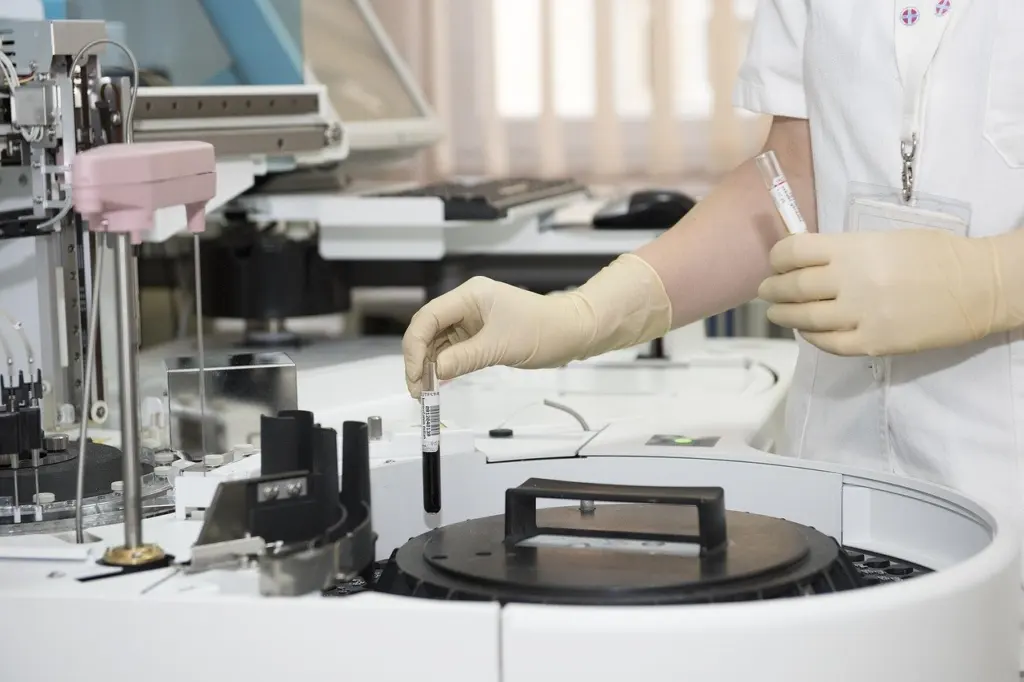
Two practical points follow. First, you should not assume that every healthy adult carries a measurable amount. Second, a urine result is a snapshot. The same review notes it is still unclear how the urinary excretion of glyphosate reflects the daily intake, so a single number cannot be turned into a dose or a verdict on your diet.
| Measure | Reported finding | Planning use |
|---|---|---|
| Human urine, 109 healthy subjects, before and after 10 fasting days | Glyphosate undetectable in most subjects | Do not assume a detectable load by default. |
| Animal high-dose studies | About 20% of absorbed glyphosate excreted in urine | Treat as evidence of an excretion route, not a human timeline. |
| Hair analysis, 22 subjects, ten weeks after fasting | Measured before and after fasting | Shows that other sample types are used in biomonitoring. |
| Detox diets in humans | Limited evidence; not tested in properly designed human trials | Not a sound basis for buying a cleanse. |
The figures above come from one peer-reviewed review of human and animal detoxification and biomonitoring work, published on PubMed Central.
Detox diets and products
Detox diets and cleanse products have a weak evidence base for this purpose. The review states that limited evidence supports the claim for beneficial effects of detox diets, and that such diets have not been tested in properly designed human trials. That is a statement about the evidence, and it does not say these products are dangerous.
For a reader deciding what to do, this means three things:
- Skip expensive cleanses. A product claiming to “pull out” glyphosate cannot point to trial evidence of that effect.
- Do not treat fasting as a requirement. The fasting study in the pack was a measurement design, and it does not show that fasting is needed to clear anything.
- Be wary of urine-test marketing. A single reading cannot show how much you ingest, so a before-and-after claim from a cleanse is not a reliable proof of detoxification.
Regulatory and scientific bodies continue to discuss how to interpret low-level exposure. That debate concerns long-term risk assessment. It does not change the practical point that no product has been shown to speed clearance in properly designed human trials.
Practical ways to reduce exposure
Reducing intake is the part of the problem you can act on. The measures below are ordered from universal to optional, and each is a habit rather than a guaranteed fix.
Rinsing and peeling produce
Rinsing fruit and vegetables under running water is ordinary food handling that costs nothing and suits everyone. Peeling is a stronger step for produce with edible skin, but it also discards the skin you would otherwise eat. Treat both as sensible hygiene. Neither should be presented as a proven glyphosate remedy.

Choosing organic produce
Choosing organic produce is a reasonable way to lower dietary pesticide intake, with a limit on what the evidence shows. The review notes that only one study describes toxic trace element detoxification caused by a switch to an organic plant based diet. That study concerned trace elements, not glyphosate, so it supports the idea without proving a glyphosate benefit.
If budget is tight, spend organic money on the foods you eat most often rather than switching everything at once. That is a judgement about priorities, not a measured result.
Plant-based staples
The organic study involved a plant-based diet, so pairing organic choices with vegetables, legumes and whole grains matches what was actually studied. Keeping staples varied also avoids depending on any single food for most of your intake.
When to ask a clinician
Speak to a doctor rather than relying on a detox product if you handle herbicides as part of your work or if you have a known liver or kidney condition. Those organs do the clearing, and a clinician can judge your situation in a way a supplement label cannot. For everyone else, steady habits and normal organ function are the supported route.
Frequently asked questions
Is glyphosate the only ingredient in glyphosate-based products?
No. Research notes that some glyphosate formulations are contaminated by polycyclic aromatic hydrocarbons and heavy metals. Formulations are therefore not identical to the active ingredient alone.
When did glyphosate come into use?
Glyphosate is an herbicide that was introduced in the 1970s, according to a secondary summary.
Should I get a urine test before changing my diet?
You do not need one to justify lowering intake. Urinary glyphosate measurement is mainly a research biomonitoring tool, and a personal result is hard to interpret. If you have a workplace exposure or a health concern, discuss testing with a clinician.