
| Measure | Reported value | Planning use |
|---|---|---|
| Hippocampal volume, aerobic training | 2% increase in a randomized controlled trial of 120 older adults | Treat this as the best-case result, not a promise for every adult. |
| Moderate aerobic dose linked to hippocampal size | Moderate-intensity aerobic exercise three days a week | A realistic first target for someone starting from a low base. |
| Walking trial in middle-aged adults | 45 minutes of brisk walking, five times a week, with benefits in attention and working memory | A trial dose to work toward, not a requirement. |
| Aerobic guideline minimum | 150 minutes a week of moderate activity, or 75 minutes a week of vigorous activity | Use as the weekly floor once sessions feel routine. |
| Muscle-strengthening guideline | Two or more days a week, all major muscle groups | Schedule on separate days from your longest aerobic sessions where possible. |
Figures are from the University of Illinois hippocampal volume trial and the Harvard Health summary of aerobic exercise and cognitive fitness.
How does exercise improve brain function? Aerobic activity raises blood flow to the brain and improves cognitive speed and attention, while its effect on hippocampal size looks more protective than growth-promoting. Aim for regular moderate aerobic sessions plus strength work.
This guide turns the trial data into a phased weekly plan and explains what the hippocampus and BDNF findings do and do not show. For the wider picture of lifestyle levers, see how to support brain health naturally.
How exercise acts on the brain
Exercise reaches the brain through several routes, and the strength of evidence differs for each. Separating them helps you judge which claims deserve a place in your plan.
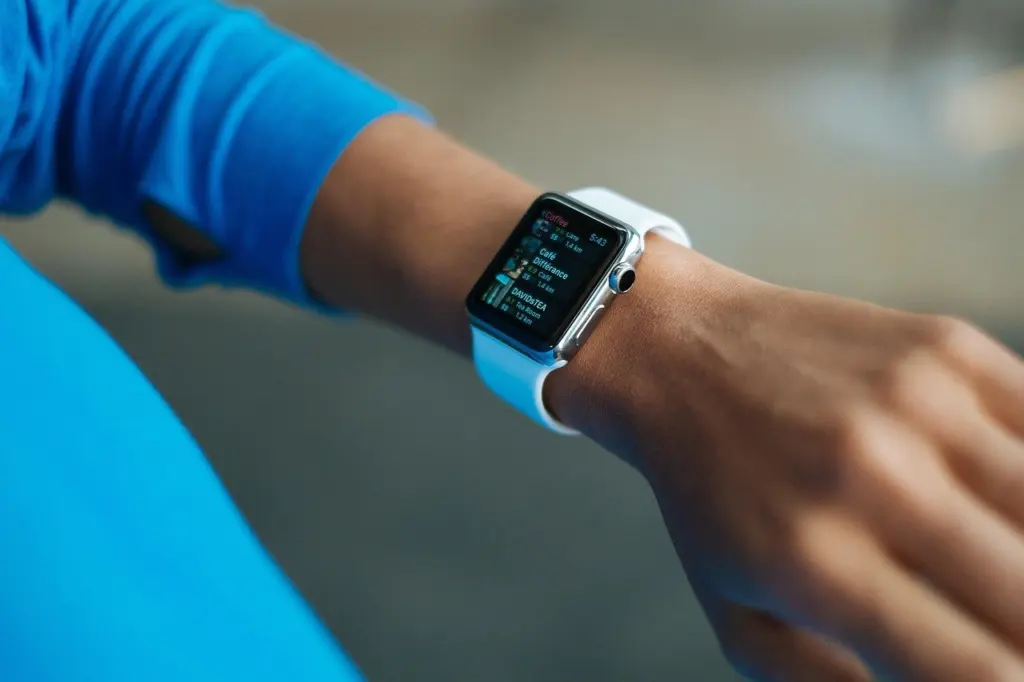
- Blood flow. As heart rate rises during exercise, blood flow to the brain increases. This is an immediate effect of a session.
- Processing and attention. Harvard Health reports that aerobic exercise improves cognitive speed, auditory and visual attention, and motor control. These are the cognitive functions most clearly tied to aerobic work.
- Growth factors. The Brain Health Registry notes that exercise increases levels of brain-derived neurotrophic factor (BDNF), a protein involved in neuron growth and survival.
- Long-term trajectory. The same registry page reports that inactive adults had a nearly twice as high rate of cognitive decline as active adults. That is a group comparison, so it supports staying active but does not prove how much any one person will gain.
The next section looks at the two findings people most often over-read: hippocampal growth and BDNF.
What the hippocampus and BDNF findings show
Does aerobic exercise grow the hippocampus?
Sometimes, but the pooled evidence points to protection rather than reliable growth. In a randomized controlled trial of 120 older adults, aerobic training increased hippocampal volume by 2%, which the authors describe as reversing 1 to 2 years of age-related loss. Volume declined in the control group, and higher fitness before the intervention partly attenuated that decline.
A systematic review and meta-analysis from Western Sydney University is more cautious. Of 4398 articles screened, 14 were eligible for the primary analysis. Across 737 participants, aerobic exercise had no significant effect on total hippocampal volume. It did have a significant positive effect on left hippocampal volume compared with control conditions. The authors conclude the effect was driven by exercise preventing the volume decreases that occur over time, and they describe the human evidence as equivocal.
The practical reading is that exercise may slow age-related hippocampal shrinkage. Do not expect a measurable bigger hippocampus as a personal outcome. The Illinois trial also notes that hippocampal volumes are larger in higher-fit adults. That is a cross-sectional link between cardiorespiratory fitness and brain structure, not proof that fitness caused the difference.
How does exercise affect BDNF?
Exercise is reported to raise BDNF levels, but the human trial link to brain size is an association. The Illinois trial found that greater hippocampal volume was associated with greater serum BDNF, and it describes BDNF as a mediator of neurogenesis. That does not show that a rise in blood BDNF produced the volume change. Treat BDNF as a plausible mechanism, and do not use it as a target you can track or optimise.
Starting phase: build a moderate aerobic base
Begin with moderate-intensity aerobic activity such as brisk walking. Harvard Health summarises trial data in which moderate-intensity aerobic exercise three days a week appeared to boost hippocampal size, and it cites a middle-aged trial in which brisk walking for 45 minutes, five times a week, produced significant benefits in attention and working memory.

A regular weekly rhythm of sessions is a sensible opening point for a beginner. A brisk walking pattern used in a middle-aged trial is a reference point to build toward when it suits your schedule and joints.
- Choose a moderate aerobic activity you can repeat reliably, with brisk walking as the default.
- Schedule three sessions a week and keep them at a pace that feels like steady effort.
- Once the habit holds, extend toward the guideline minimum of 150 minutes of moderate activity a week.
- Add sessions only when the existing ones feel routine, so the plan stays sustainable.
Before you add strength work, check that the aerobic habit is stable.
Building phase: add strength training
Add muscle-strengthening work on two or more days a week that involves all major muscle groups. That is the guideline as summarised by Harvard Health, and it fits alongside the aerobic base without needing extra aerobic time.
Does strength training help cognition? The supplied evidence is narrower than for aerobic work. The Brain Health Registry cites a study finding that older persons who do six months of strength training are less likely to experience hippocampal shrinkage. That is a structural finding, not a cognitive test result. Treat resistance training as a complement to aerobic activity, and do not use it as a substitute.

- Pick exercises that cover legs, hips, back, chest, shoulders and arms.
- Train on two or more days a week, spaced out rather than back to back.
- Keep the programme going for months, since the hippocampal finding came from six months of training.
Maintenance phase: keep the dose and check intensity
Once both habits are in place, protect them. The aerobic floor is 150 minutes of moderate activity or 75 minutes of vigorous activity a week, and the Brain Health Registry cites the CDC minimum of 150 minutes per week of moderate-intensity physical activity for most adults. The vigorous option halves the time but not the effort, so it suits people who prefer shorter, harder sessions and are already fit.
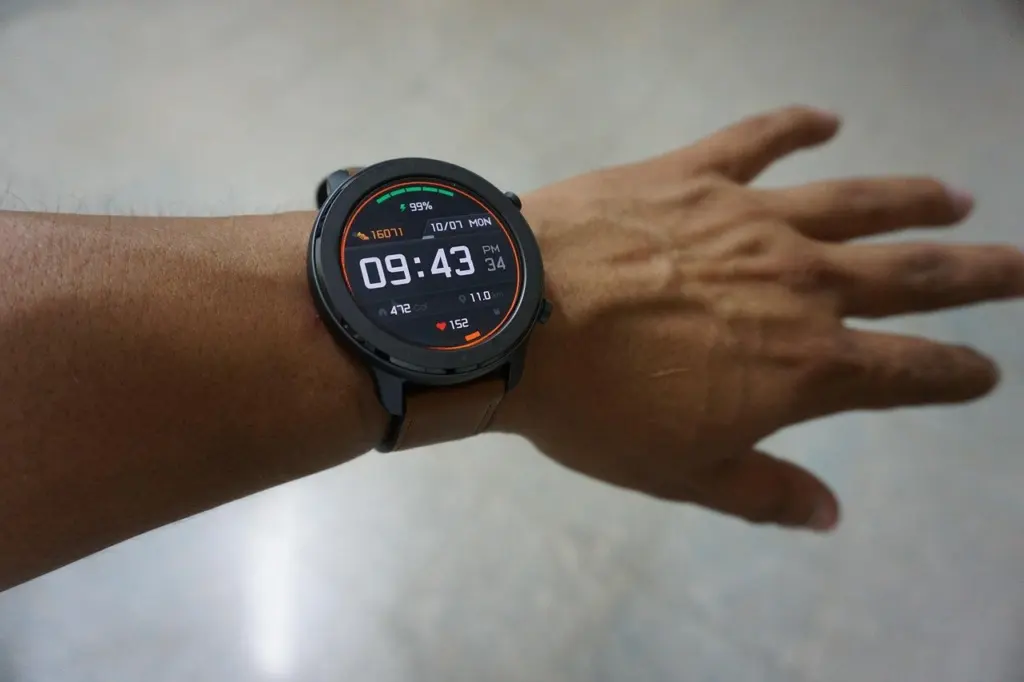
A heart-rate readout from a wearable can help you see whether a brisk session holds a steady effort. Moderate intensity should feel like brisk walking, so use the readout as a prompt to adjust pace rather than as a score to chase.
Sleep, stress and gut health also shape brain outcomes. See how stress affects the brain and gut brain axis probiotics for those levers.
Troubleshooting common problems
- You expect a bigger hippocampus. The meta-analysis found no significant effect on total hippocampal volume, and its effect was driven by preventing loss over time. Judge success by consistency and function rather than expected growth.
- Time is short. Use the vigorous option of 75 minutes a week if you are already fit enough for it. Otherwise, keep three moderate sessions rather than dropping aerobic work entirely.
- You only lift weights. The aerobic evidence is the stronger and more consistent part of the picture, so add brisk walking or a similar activity.
- You are returning after a long break or have a health condition. Start at the lowest dose in this guide and check with a clinician before raising intensity.
- You want a number to track. Blood BDNF is not a practical personal target. Track weekly minutes and sessions instead.
Frequently asked questions
Is brisk walking enough to count as aerobic exercise?
Yes. Harvard Health’s guideline summary gives brisk walking as its example of moderate-intensity aerobic exercise, and the middle-aged trial it cites used walking.
Does exercise lower dementia risk?
Harvard Health reports that older adults who exercised four times a week had about half the dementia risk of sedentary adults. That is an association, not a guarantee for any one person.
Do I need to be fit before starting?
No. In the Illinois trial, higher fitness before the intervention only partially attenuated hippocampal decline in controls. That supports building fitness gradually rather than waiting.
Can strength training replace aerobic work?
No. Guidelines list muscle-strengthening and aerobic minutes as separate targets, and the stronger hippocampal evidence comes from aerobic trials.