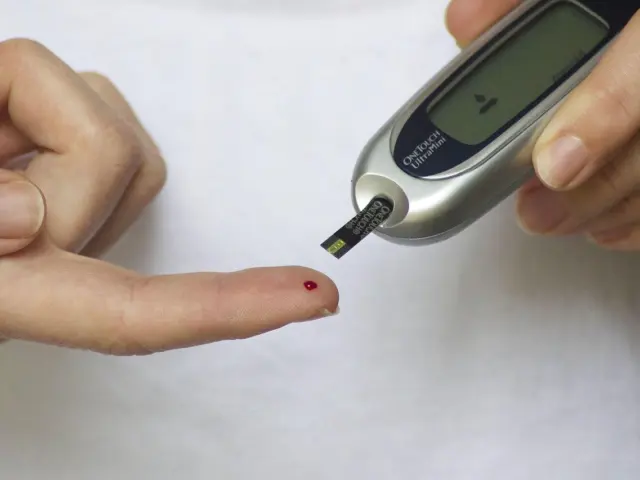
Inflammaging is chronic, low-grade inflammation linked with aging. Blood markers such as CRP and IL-6 track it, and diet, body fat, sleep, stress and movement are the main levers you can act on.
This checklist sits within our wider guide to healthy aging naturally. It suits readers who want to know what can be measured and which habits have the most behind them.
What inflammaging means
Inflammaging describes chronic, low-grade inflammation of the body associated with the aging process. It involves raised secretion of pro-inflammatory cytokines, including IL-6, TNF-alpha and IL-1beta, and raised CRP, without an infection or injury to explain it.

The strongest associations are with atherosclerosis, arterial hypertension and type 2 diabetes. That is why the topic matters beyond curiosity: the same signals that rise quietly with age are tied to the conditions people most want to avoid. Inflammaging is a process to monitor and influence, not a diagnosis in itself.
How this checklist works
The entries are not ranked, because the evidence behind them is uneven and the levers are not interchangeable. They run from measurable markers to the food and lifestyle levers that act on them. Each lever carries an evidence tag in the comparison table near the end.
- Primary-source backed: the point rests on laboratory or clinical research reported directly, such as the CRP assay comparison and the IL-6 findings.
- Secondary summary: the point comes from an educational review of the field. It is useful for direction, but weaker as proof that a specific habit lowers a specific marker in you.
Markers of chronic inflammation
Three markers carry most of the discussion: CRP, IL-6 and TNF-alpha. A fourth, HMGB1, is covered here only as a marker.
C-reactive protein and high-sensitivity CRP
CRP is the most practical marker on the list. Laboratory research on high-sensitivity assays notes that CRP can give prognostic information about the risk of atherosclerotic complications in apparently healthy people. High-sensitivity CRP (hs-CRP) is the version designed to read the low concentrations seen in that setting, rather than the high values of acute illness.
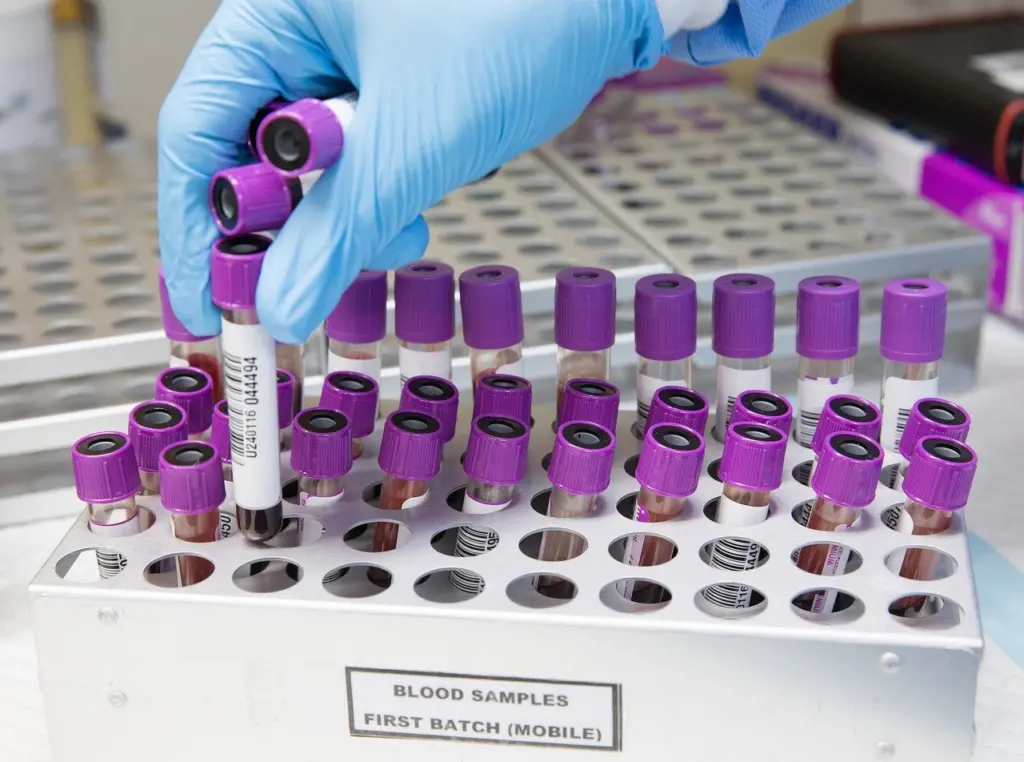
Do not borrow a cutoff from one lab and apply it to a result from another. In a comparison of four automated hs-CRP methods using samples from 322 apparently healthy blood donors, the CRP concentrations marking each quartile were method dependent. Imprecision at 3.5 mg/L reached up to 7.6% to 12% depending on the method, and the lowest concentration each method measured linearly ranged from 0.30 to 2.26 mg/L. The authors concluded that more standardization is needed before results can be related across methods. In practice, compare your own results over time on the same assay, and read them against the reference range printed by the reporting lab.
Interleukin-6
IL-6 is the cytokine most closely tied to the CRP signal. It is among the cytokines found at raised levels in inflammaging, and research reports that dysregulated IL-6 production plays a pathogenic role in various inflammatory diseases. In liver-derived Hep3B cells grown in the laboratory, IL-6 alone significantly induced serum amyloid A (SAA) mRNA, while TNF-alpha and IL-1 did not.
The takeaway is that IL-6 is a driver worth watching, but it is mainly a research and clinical-specialty measurement. For most people, hs-CRP is the more accessible readout.
TNF-alpha
TNF-alpha belongs to the same group of cytokines raised in inflammaging, according to a review of the topic. It behaves differently from IL-6, though. In the cell experiments above, TNF-alpha on its own did not induce SAA mRNA. It is best read as a distinct inflammatory signal, not a stand-in for CRP.
HMGB1
HMGB1 is sometimes listed as a further inflammation marker. Treat it as a marker only: no food or habit in this checklist is tied to it, and it is not something to try to move through lifestyle changes.
Foods linked with lower inflammation
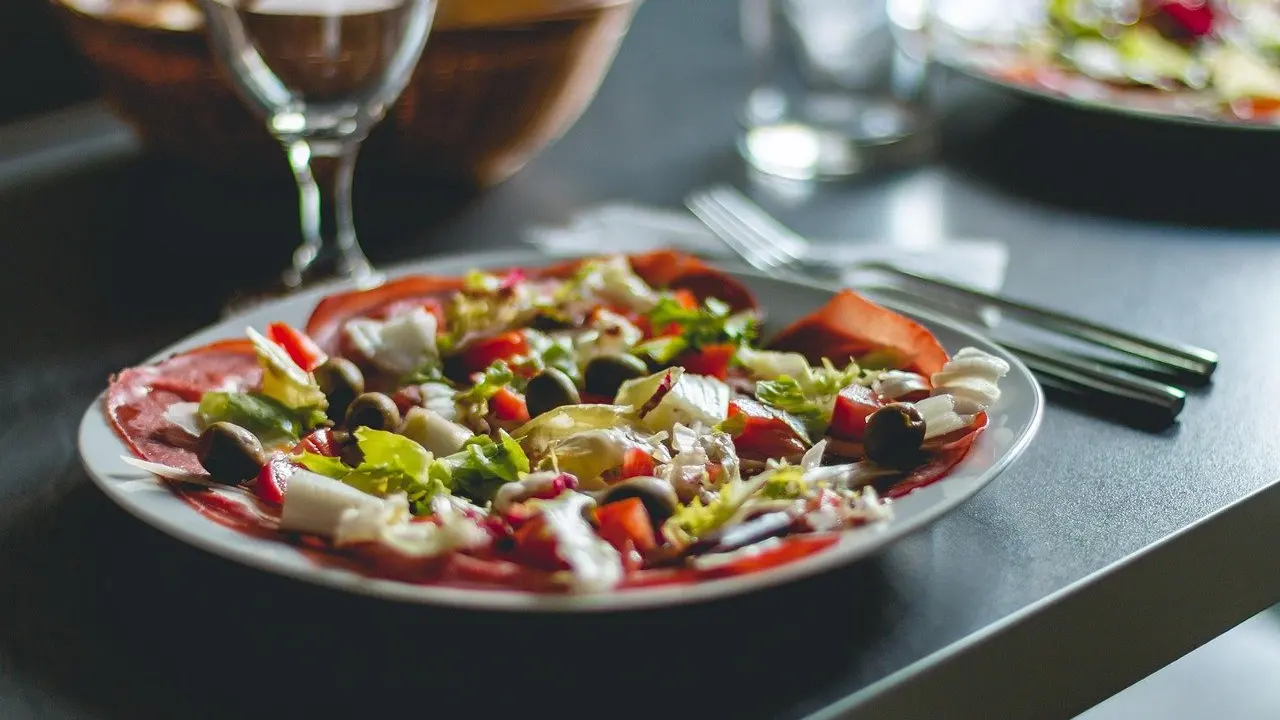
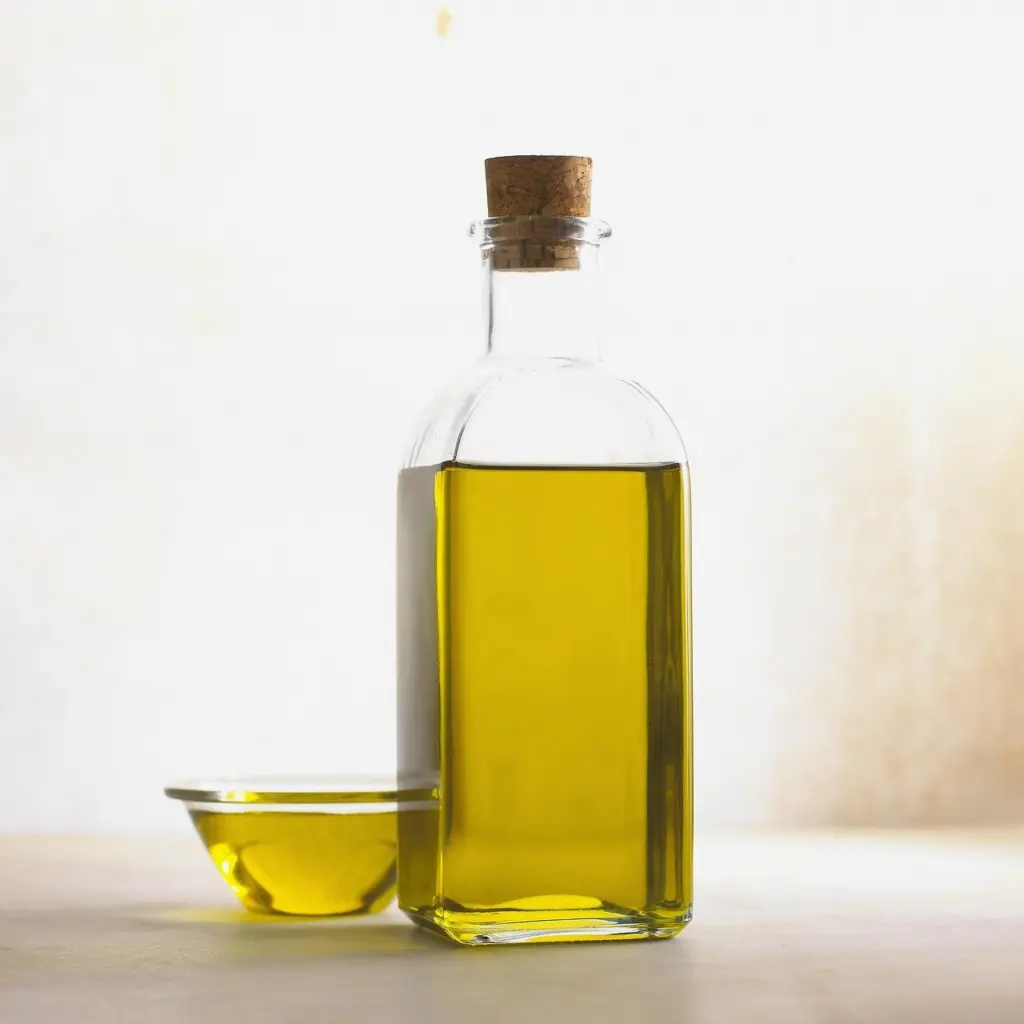
The best-supported anti-inflammatory eating pattern for aging is the Mediterranean diet. A review of inflammaging describes it as a particularly beneficial nutrition model, rich in vegetables, fruit, omega-3 fatty acids, polyphenols, fiber and olive oil. It suits most adults because it is a whole eating pattern rather than a single food to buy.
Omega-3 fatty acids and polyphenols
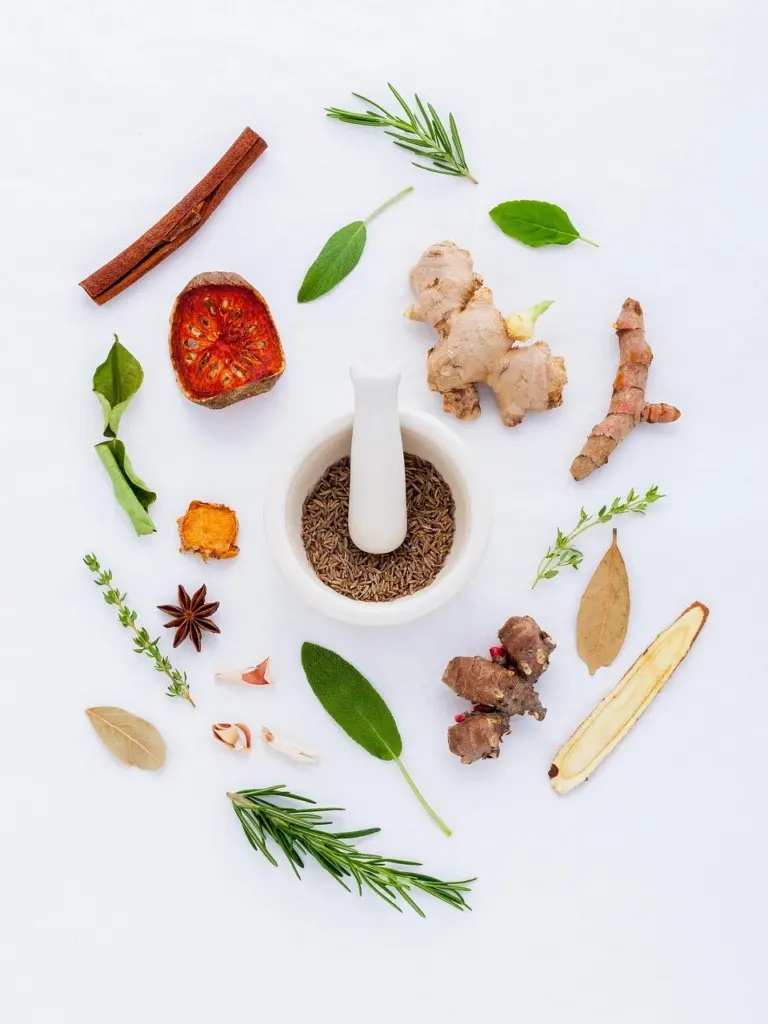
Diets rich in antioxidants, omega-3 fatty acids and polyphenols, such as the Mediterranean diet, can help reduce oxidative stress. That is a step removed from lowering CRP directly, so it is a reason to favor these foods and not a promise about a lab value. Oxidative stress and inflammation feed each other, which is explored further in our piece on oxidative stress and aging.
What to limit
The same review names the eating pattern that pushes in the opposite direction: excessive consumption of simple sugars, ultra-processed food, trans fats and alcohol drives inflammatory mediators. For most people, cutting these back is the faster win, since it removes a known push toward inflammation before you add anything new.
Lifestyle factors that raise or lower markers
Several habits act on the same inflammatory pathways, and some of them oppose each other. These are the ones the evidence supports.
- Visceral fat: abdominal adipose tissue acts as an active endocrine organ that secretes pro-inflammatory cytokines, and obesity is named as one of the most important factors driving inflammaging. For many people, this is the highest-impact lever.
- Sleep: chronic sleep deficiency increases CRP and IL-6. Protecting sleep is therefore part of any inflammation plan, not an optional extra.
- Chronic stress: long-term elevation of cortisol disrupts the regulation of the immune system, which raises inflammatory activity.
- Regular movement: exercise has been shown to lower inflammatory biomarkers and support immune function. It is the main habit on this list that actively pulls markers down.
- Smoke, smog and UV: tobacco smoke, smog and ultraviolet radiation increase oxidative stress and accelerate cellular aging, so reducing exposure helps indirectly.
Cellular housekeeping is a related mechanism covered in autophagy and aging.
Levers compared by evidence strength
| Lever | What the evidence says | Evidence tag | Planning use |
|---|---|---|---|
| Mediterranean-style eating | Rich in vegetables, fruit, omega-3, polyphenols, fiber and olive oil; linked with lower oxidative stress | Secondary summary | Build the default pattern from this |
| Limiting sugars, ultra-processed food, trans fats, alcohol | Excess drives inflammatory mediators | Secondary summary | Cut back first |
| Reducing visceral fat | Abdominal fat secretes pro-inflammatory cytokines; obesity is a major driver | Secondary summary | Prioritize if body fat is high |
| Sleep | Chronic deficiency raises CRP and IL-6 | Secondary summary | Protect as a baseline habit |
| Stress management | Long-term high cortisol disrupts immune regulation | Secondary summary | Address if stress is persistent |
| Regular exercise | Lowers inflammatory biomarkers | Secondary summary | Make it routine |
These points are drawn from an inflammaging review and a longevity-science explainer, so they guide priorities and do not guarantee a marker change.
A sensible order for most people is to reduce what drives inflammation (excess sugar, ultra-processed food, abdominal fat, poor sleep), then add the Mediterranean pattern and regular movement. Track hs-CRP on the same assay if you test at all, and discuss results with a clinician.
Frequently asked questions
Who coined the term inflammaging?
The term was introduced by the Italian immunologist Claudio Franceschi.
Is inflammaging a disease?
No. It names a process of chronic, low-grade inflammation that accompanies aging. It is associated with age-related diseases, most strongly atherosclerosis, hypertension and type 2 diabetes.
Does blocking IL-6 change CRP?
In rheumatoid arthritis patients, blocking IL-6 with tocilizumab completely normalized CRP and SAA levels, while blocking TNF-alpha did not. This was shown in a disease setting, not in healthy aging, but it shows how closely CRP tracks IL-6 signalling.